Energy suppliers
Energy suppliers in a time of change: Digital solutions for a successful transformation
Swiss energy suppliers are undergoing a period of transformation. Decentralised grids, new regulatory requirements and rising expectations call for digital, secure and flexible systems.
For Swisscom, technology is the key driver for actively shaping this transformation in the energy sector. Together, we are laying a secure foundation for a sustainable energy supply, efficient collaboration across the entire energy system and the roll-out of smart meters in Switzerland – with stable connectivity, scalable cloud infrastructure and certified data security.
Smart Meters to Value: 5 Steps
We support energy suppliers throughout the entire value chain – from the use of smart meters, through intelligent grid management and end-to-end meter-to-cash processes, to digital customer experiences. Throughout this process, you retain control over your data at all times and meet the requirements for data sovereignty and security.
Rollout and Smart Meter Installation
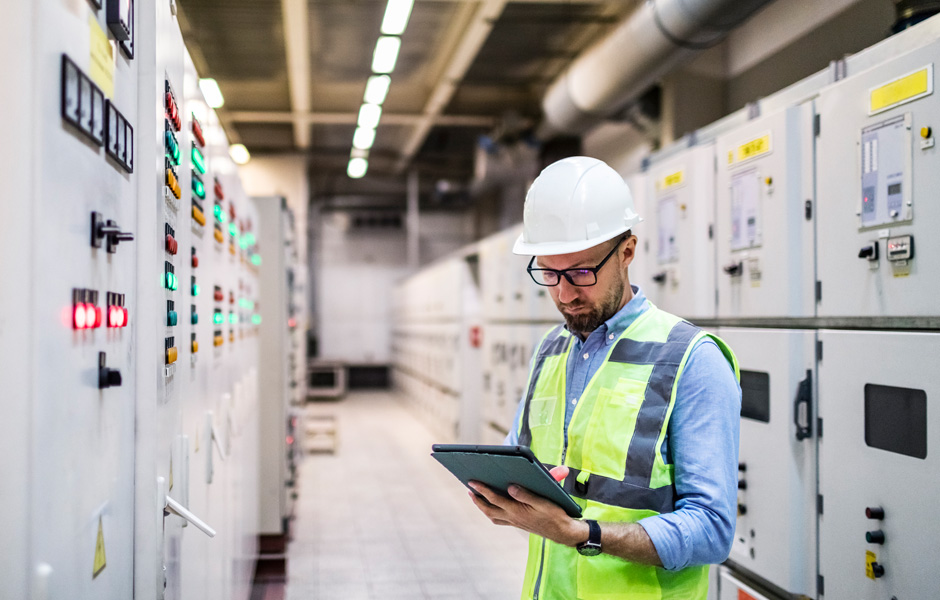
As part of the smart meter rollout, smart metering systems are being installed and commissioned. This lays the foundations for a data-driven energy sector. In doing so, they create the basis for new applications – such as more accurate consumption data or automated processes. Swisscom provides the necessary connectivity and infrastructure for a scalable and secure rollout.
Secure data pipeline, integration and processing
Metering data is securely transferred from the metering system to the back-end systems and integrated into the IT landscape. An IoT and integration architecture ensures reliable data processing and links metering data with customer, contract and market data. In SAP S/4HANA Utilities, the data is validated, converted into energy volumes relevant for billing, and used for billing and financial processes.


Market Communication
Energy, customer and billing data are exchanged with network operators, suppliers and market partners in accordance with the relevant regulations. Standardised market processes ensure timely, transparent and regulatory-compliant communication throughout the entire value chain of the energy sector.
Business Value from Data
Metering data, integration and market communication combine to form a consolidated database for billing, customer interaction and network optimisation. This makes operational processes more efficient and enables new data-driven services and business models.

Digital customer experience in the energy sector
With modern CX solutions, you can design seamless digital customer interactions throughout the entire customer journey. Self-service portals enhance transparency and service quality by providing access to consumption, contract and billing data at any time. Personalisation and automation boost efficiency, satisfaction and customer loyalty.
Your benefits with Swisscom
We understand the regulatory and technical requirements of the energy sector.
Operations based in Switzerland, the highest standards of data security, 24/7 availability and certified processes.
Comprehensive support: developing your digitalisation strategy, from IT architecture to cultural change.

Frequently Asked Questions (FAQ)
Where should energy suppliers start with digitalisation?
In the energy sector, you will derive the greatest benefit by first prioritising those areas that are critical to operations and incur high process costs.
An approach based on the value chain has proven effective: network (transparency and control), processes (meter-to-cash) and customers (digital services) – complemented by a targeted modernisation of the IT infrastructure. A clear roadmap with measurable interim targets is crucial. This delivers results that can be utilised at an early stage and lays a solid foundation for the next steps.
How does Grid Intelligence support us in grid management?
Grid Intelligence helps energy suppliers to continuously monitor grid conditions and load levels and to manage grids proactively.
Through the use of sensor technology and IoT connections (e.g. LPWAN), relevant network signals are recorded and made available for analysis and operational decision-making. The added value lies in improved, data-driven network management – from early detection through to targeted intervention.
What does a meter-to-cash process involve for energy suppliers?
The meter-to-cash (M2C) process covers the end-to-end chain from meter data collection, through validation and processing, to billing, invoicing and receivables management. For energy suppliers, it is crucial that this process chain operates seamlessly and that data is consistently available across the relevant systems.
Industry solutions such as SAP IS-U or S/4HANA Utilities help to map these process steps in a standardised and integrated manner. The aim is to ensure the reliable and end-to-end processing of core energy sector processes – without the need for manual correction loops.
What role do smart meters play in the energy supply?
Smart metering primarily involves the collection and provision of meter readings – including the metering infrastructure and data delivery. Meter-to-Cash (M2C) builds on this and describes how these meter readings are integrated into the billing process and subsequent commercial steps.
In the energy sector, this distinction is key: smart meters provide the data, whilst ‘meter-to-cash’ describes the process chain that turns this data into a billable result. This makes it clear where the collection of measurement data ends and the commercial processing begins.
How can we make economic use of consumption data in the energy sector?
Consumption data realises its full value when it is not merely collected, but specifically analysed and translated into concrete offers.
Based on this, energy suppliers can, for example, develop dynamic tariffs, segmented products or service options that are based on usage patterns. Furthermore, forecasting models can be improved to support informed decisions in planning and portfolio management. The focus here is on value creation and monetisation – not on billing (meter-to-cash).
How can we improve the customer experience in the energy sector?
With customer experience and CRM solutions, energy suppliers can design consistent digital touchpoints: from the initial contact right through to ongoing service.
Self-service portals make it possible to handle matters such as relocations, contract enquiries or access to documents efficiently, and to provide information reliably. CRM also supports structured processing across channels and creates a unified view of interactions. At the heart of this are customer-led usage and a high quality of service.
How can we modernise our IT landscape in a sustainable way?
For energy suppliers, sustainable IT modernisation means establishing an architecture that reliably supports integration, scalability and security.
A typical approach involves combining cloud services, platform components and an integration layer to efficiently interconnect existing applications. This helps to reduce technical dependencies and drive the further development of line-of-business applications in a targeted manner. In the energy and utilities sector in particular, it is crucial to consistently take operational stability and security requirements into account.