Sustainable procurement and fair supply chains
Behind every smartphone, router and TV box are people and raw materials from around the world. Much of our environmental and social impact is linked to our supply chains rather than our own operations. We take responsibility for this: we set clear requirements, carry out on-site checks of production sites and work with our suppliers to improve working conditions and reduce emissions.
Our supply chains
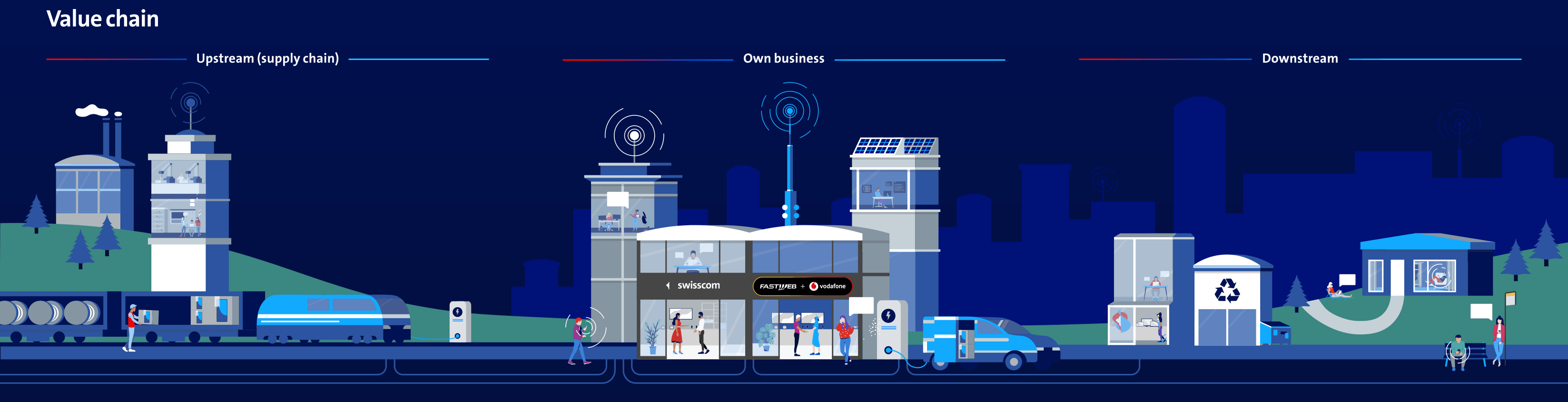
We procure a wide range of products and services: network infrastructure such as routers and switches, devices such as smartphones and TV boxes, software, and IT and operational services. For our hardware products, these supply chains extend from raw material extraction and the manufacture of electronic components to final assembly.
Many of these steps take place in global production networks, particularly in Asia. To fulfil our responsibility, we need to know where our products come from and under what conditions they are made. We are therefore making our supply chains more transparent, step by step: we trace the stages our products pass through before reaching us and analyse their origins and associated risks.
Supply chains in the electronics industry are complex, and we do not have full visibility of them. That is why we set priorities: we act first where risks to people and the environment are greatest and where we can make the biggest difference.
More about climate-related risks in our supply chains(opens in new tab)
Our principles and standards
Fair supply chains need clear rules – for us and our partners. We adhere to binding standards and expect the same of our suppliers. This is the foundation of every partnership.
Our measures and programmes
We take action at several points: we measure and understand emissions, reduce them together with suppliers, inspect factories on site, support suppliers in making improvements and engage in regions where raw materials are extracted.
1. Making emissions visible – climate data through CDP
Climate metrics from key suppliers through the Carbon Disclosure Project
80 % of our greenhouse gas emissions occur in the supply chain. To reduce them, we need to know where they arise. That is why we ask our key suppliers to disclose their climate data through the non-profit organisation CDP: emissions, climate risks, reduction targets and strategies, collected using standardised methods. These data provide the basis for achieving our climate targets.

2. Reducing emissions together – an industry-wide climate programme
Reduction Programme with the Joint Alliance for CSR
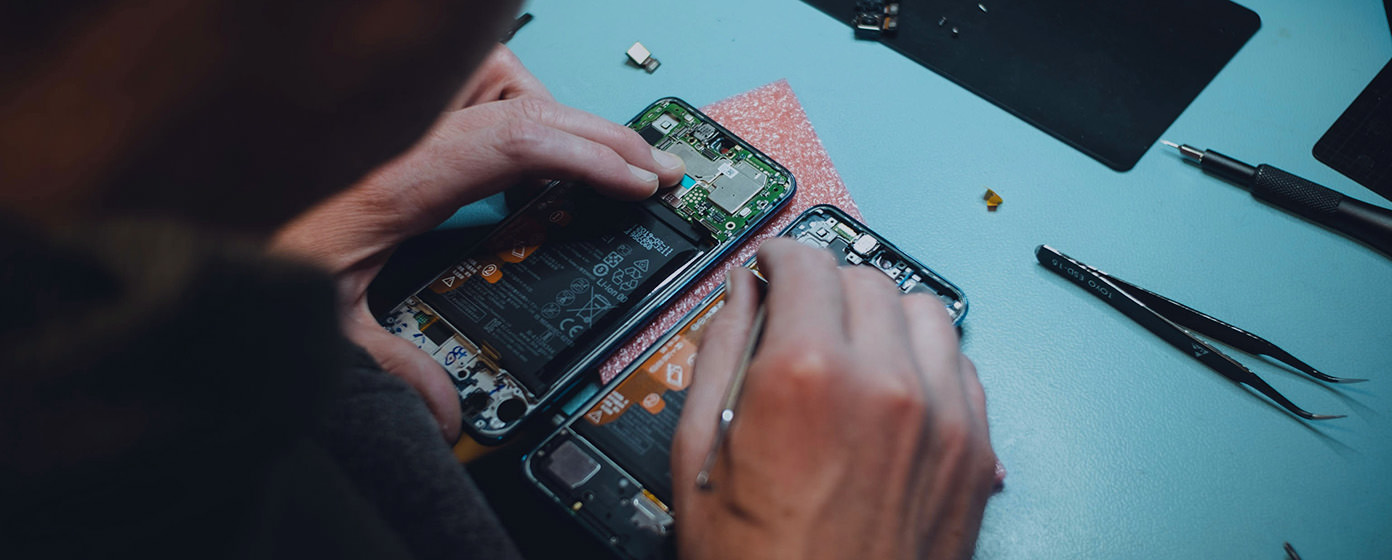
Together with other telecommunications companies in the Joint Alliance for CSR (JAC), we work with major suppliers to reduce emissions. We identify where the most CO₂ is generated during manufacturing and focus our efforts there. Alongside this, circular approaches – such as using less material and more reused or recycled components – can help reduce emissions across the product life cycle.
3. On-site checks of working conditions & environmental standards
Factory audits with the Joint Alliance for CSR
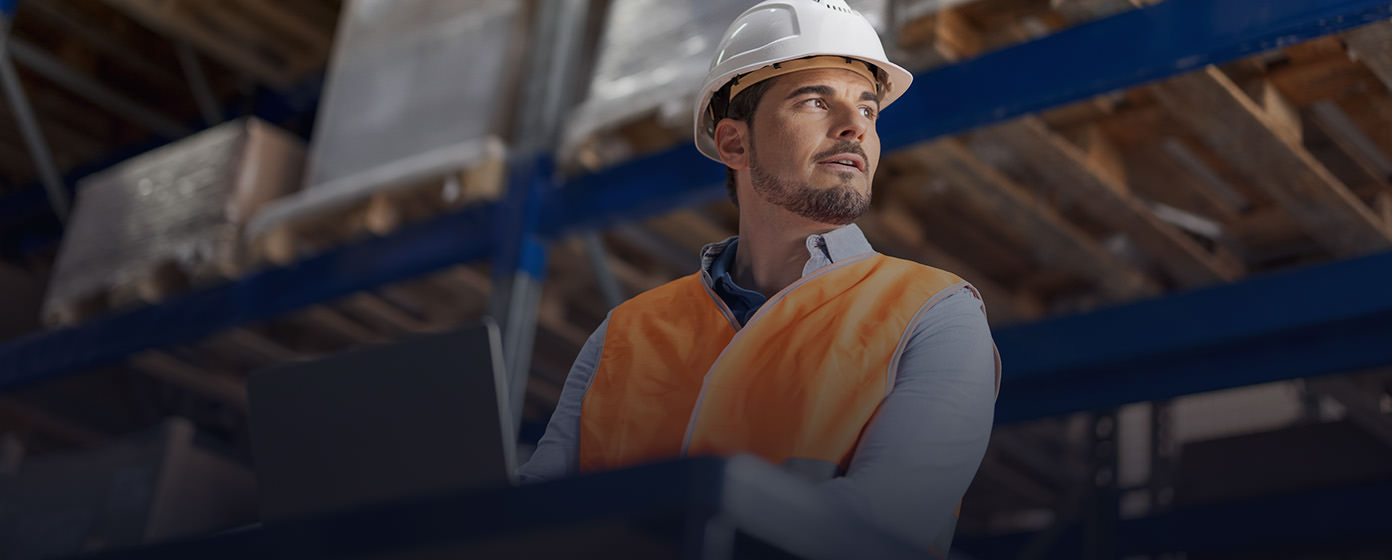
Risks to workers are particularly high in electronics production, for example in relation to working hours and occupational safety. That is why JAC members arrange regular on-site inspections of their suppliers’ factories. In 2025, they jointly carried out over 150 audits in 31 countries, most of them in Asia. The audits cover working hours, health and safety, and environmental standards, among other issues. They resulted in nearly 800 improvement measures. We follow up on their implementation.
4. Supporting suppliers to improve
The Supplier Development Programme
Checks alone are not enough. Real improvements need ongoing support. Since 2019, we have supported selected suppliers that manufacture Swisscom-branded devices through a two-year development programme. Together, we define tailored measures to improve environmental management and working conditions in factories.

5. Tackling child labour in critical raw material supply chains
The Child Rights Action Hub in DR Congo
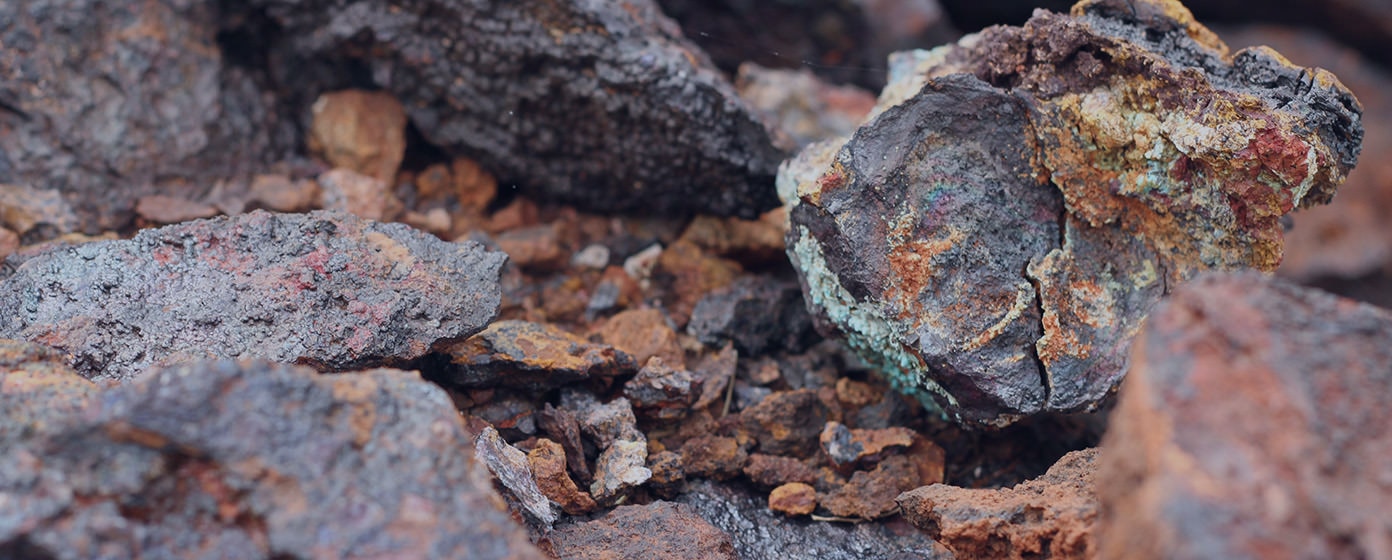
Cobalt is an important raw material for high-performance batteries in smartphones and other electronic devices. However, its extraction is sometimes linked to serious human rights risks. Child labour occurs in small-scale mining in the Democratic Republic of the Congo – often under hazardous conditions and at the expense of schooling.
To address this, we support the Child Rights Action Hub in the Kolwezi region together with other telecommunications companies. Our project partners are Save the Children and The Centre for Child Rights and Business, which implements the project on the ground with local organisations. The Hub helps children leave hazardous work and return to education, provides individual support and helps families address the pressures that drive child labour. It also strengthens local support structures. In this way, the project tackles the root causes of child labour and helps reduce it in the long term.
Our memberships
Team and contact
Your contacts for fair and sustainable procurement at Swisscom are Oliver Oberli and Nicola Grande.
Responsible for a fair and sustainable supply chain (ESG)
Responsible for a fair and sustainable supply chain (ESG)