Mobile Private Network (MPN)
Mobile Private Networks – for secure, predictable and future-proof connectivity
Your business. Your network. Your control.
Critical processes require stable connectivity. A Mobile Private Network (MPN) ensures that people, devices and systems remain reliably connected at all times – even in complex buildings and sites where Wi-Fi or public networks reach their limits. This helps you avoid outages, interruptions and operational risks. With a private mobile network, you can create your own exclusive and secure communications network.
MPN simply explained
How does a Mobile Private Network work, and how does it help in daily activities?
Find out more in the video.
When is MPN the right solution?
A Mobile Private Network is the right choice when Wi-Fi and public mobile networks can no longer reliably support critical processes. When availability, stable performance and prioritised communication are crucial, a private network provides planning certainty and operational stability.
How the three MPN variants work
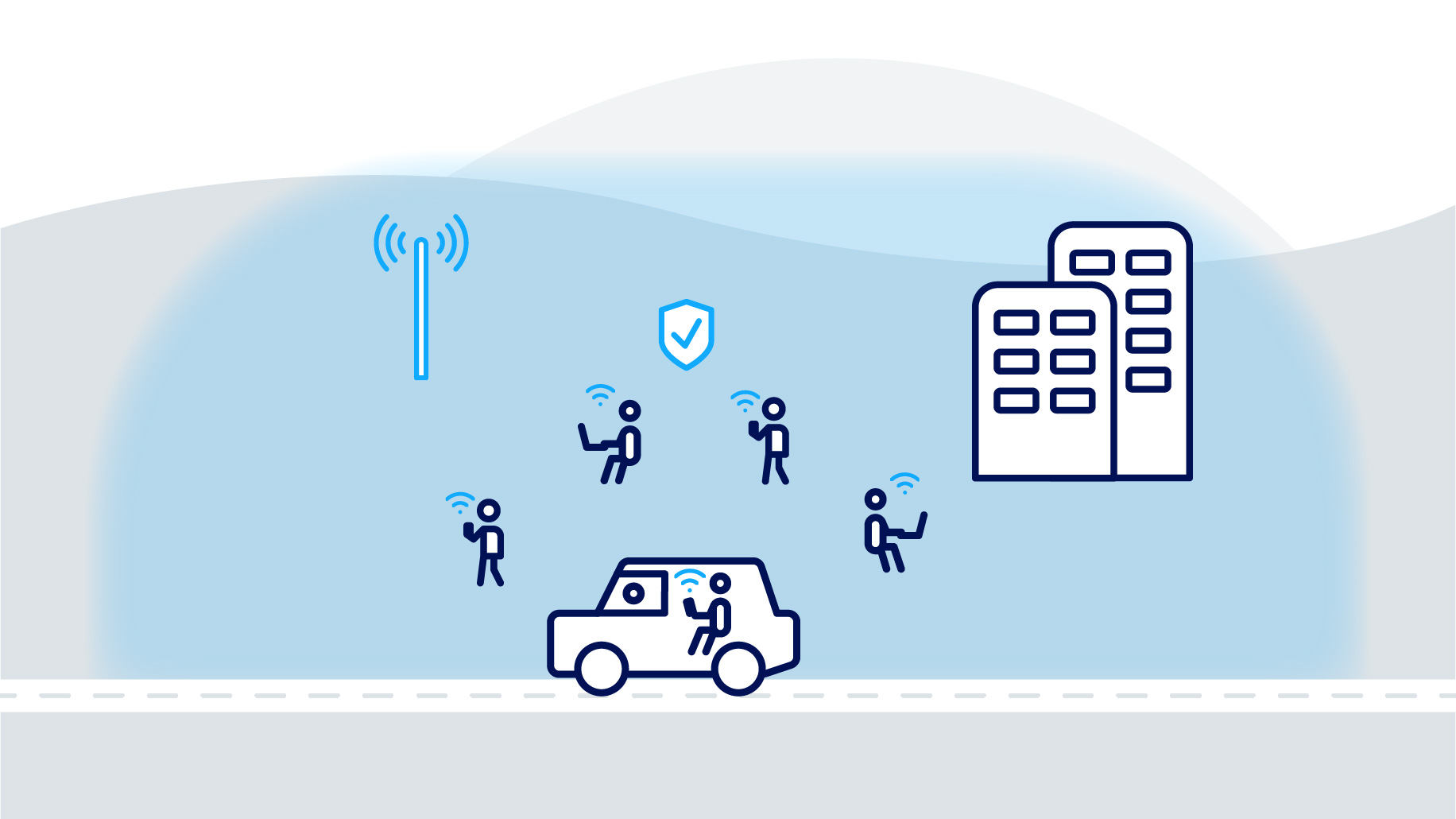
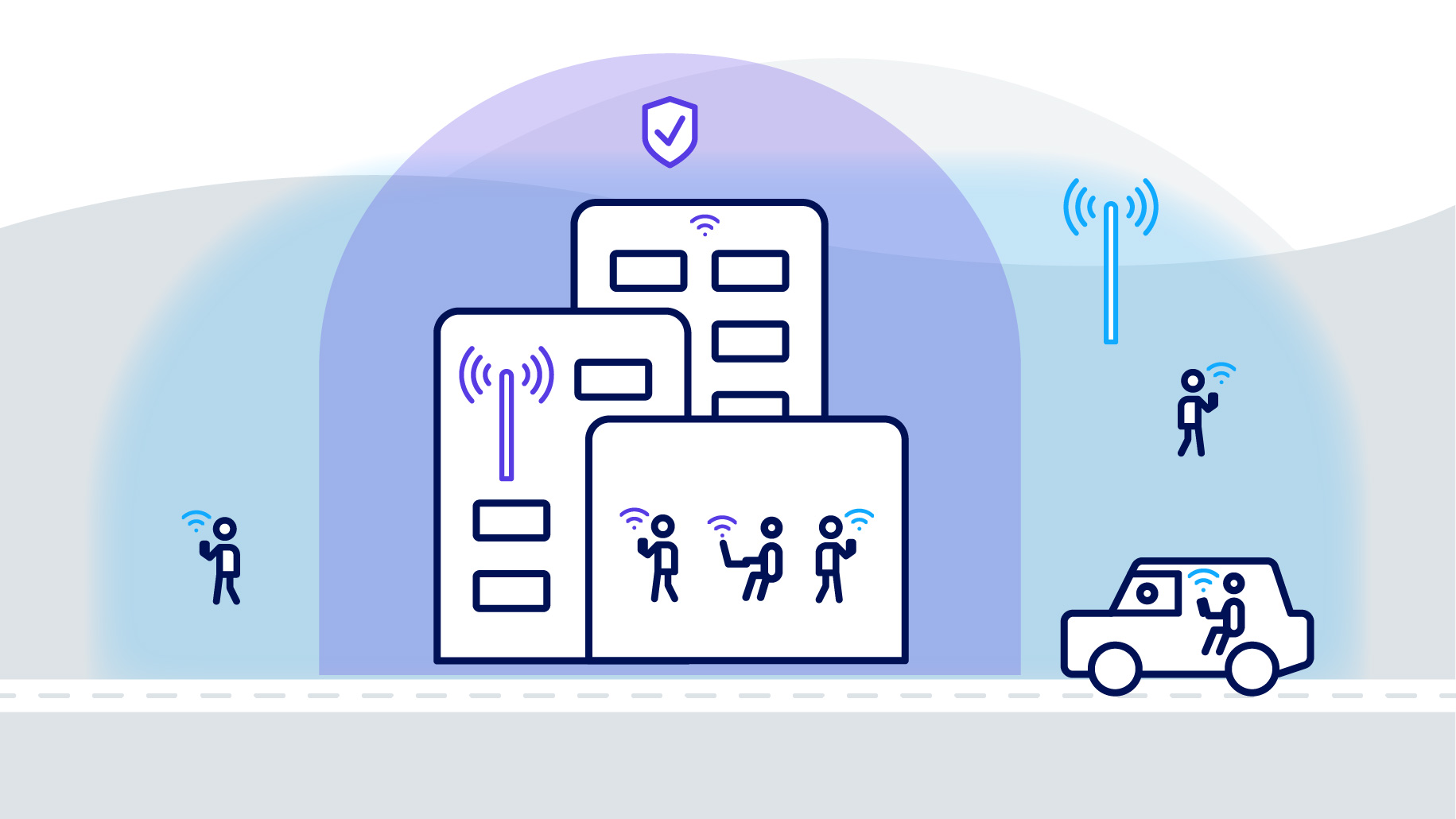
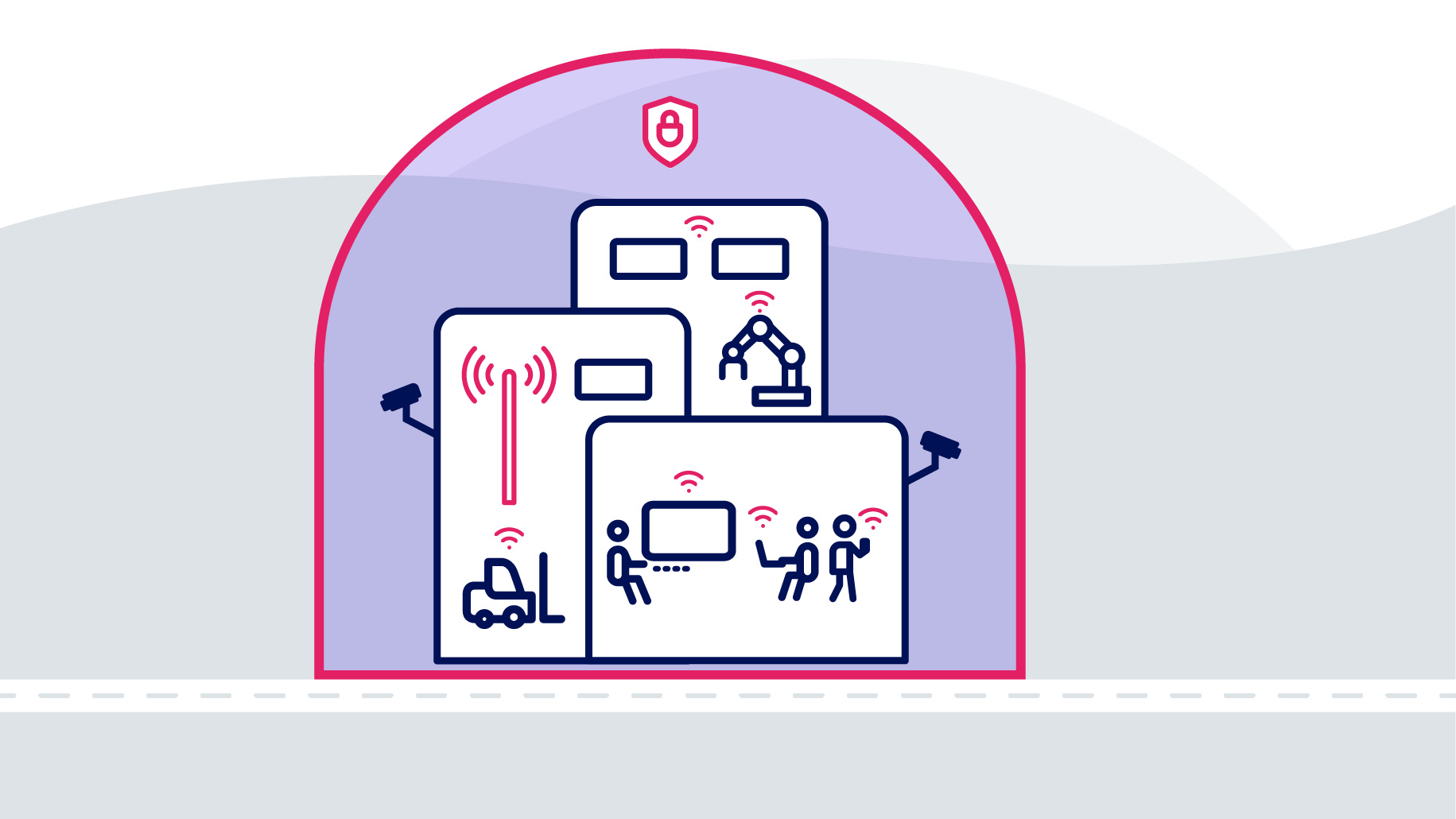
Individual consultation and downloads
Alternatives to MPN – and why they aren’t really alternatives
Wi‑Fi
Wi-Fi is well suited to non-business-critical indoor applications, but quickly reaches its limits when it comes to mobility, high device density and industrial environments, and is prone to interference, congestion and fluctuating performance.
Public Mobile with VPN/APN
Public Mobile offers wide coverage and simple connectivity, but cannot guarantee quality for business-critical processes due to shared radio resources, a lack of local control and limited indoor coverage.
Wired networks (Industrial Ethernet)
Wired networks enable highly reliable and deterministic communication, but are inflexible, non-mobile and hinder dynamic production and operational models, requiring significant effort to adapt and reconfigure.
These challenges can be solved with MPN
Critical infrastructure
When downtime is not an option, best-effort networks are not enough. MPN ensures predictable availability, prioritised communication and full control. This reduces the risk of downtime, replaces siloed solutions and sustainably strengthens the resilience of critical infrastructure.

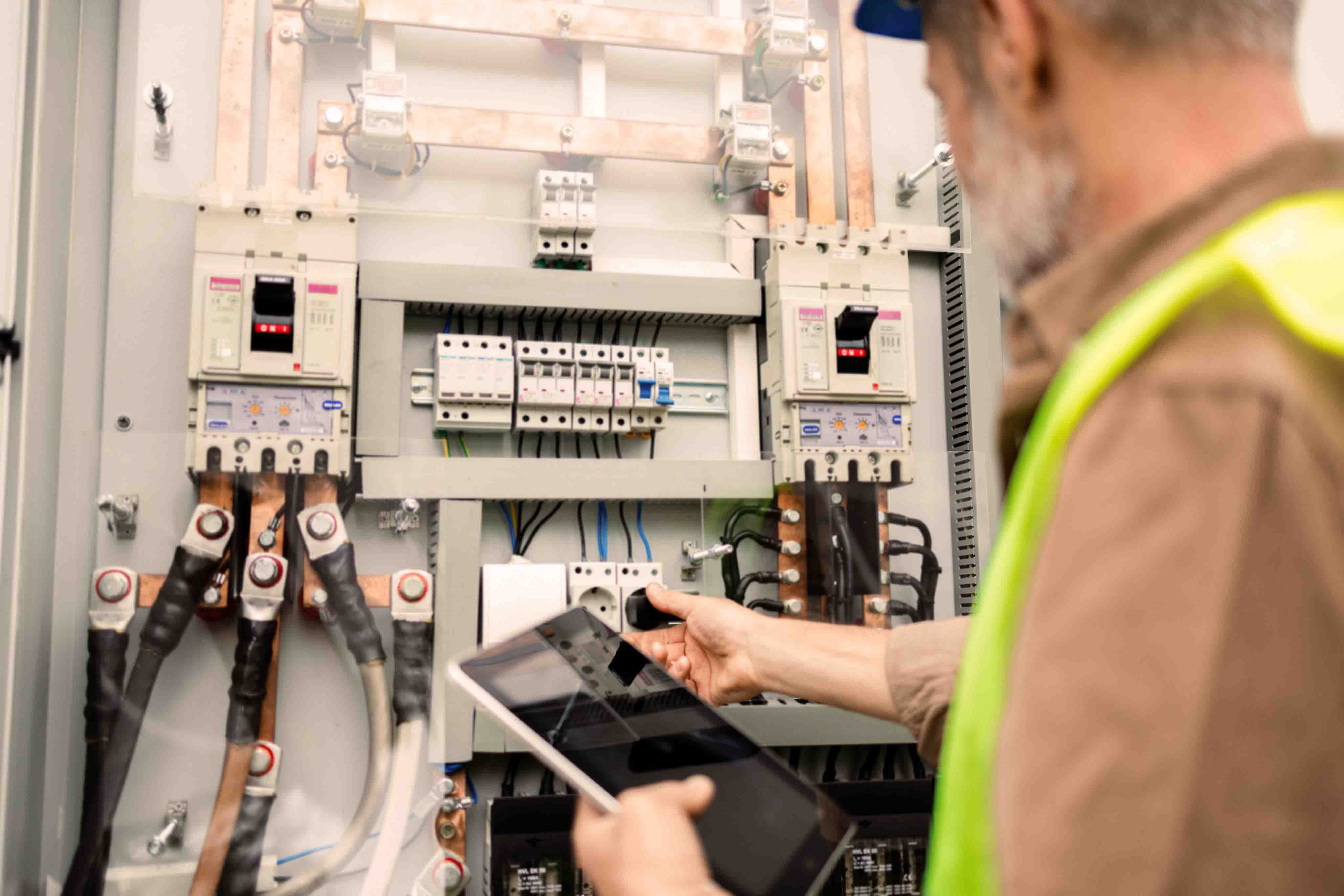
Industry & sites
In complex environments and large areas, MPN provides stable, prioritised mobile coverage and makes connectivity predictable. This prevents downtime, reduces costs associated with service interruptions and creates a scalable foundation for industrial and event scenarios.


Mobility & autonomy
MPN enables secure, prioritised connectivity for mobile systems, thereby supporting mobile and autonomous applications. This reduces mission failures, liability and operational risks, and makes mobile and autonomous applications economically viable.


Through the quarry without a driver – MPN makes it possible
Swisscom is supporting Holcim and Volvo in testing the quarry of the future Using state-of-the-art mobile radio technology, the MPN facilitates secure and reliable monitoring and control of the autonomous e-vehicles in the quarry – an important step on Holcim’s journey towards climate neutrality.
Why Swisscom?
Frequently Asked Questions (FAQ)
What is a Mobile Private Network (MPN)?
What problems does an MPN solve that Wi-Fi or public 5G cannot?
An MPN provides dedicated or prioritised network resources. Critical applications are given priority – regardless of network utilisation or external factors.
How secure is a Swisscom Mobile Private Network?
How does an MPN differ from a VPN or APN solution?
How complex is it to operate a Mobile Private Network?
Is a Mobile Private Network future-proof?
An MPN is not a one-off solution for a specific use case, but a platform. New applications, devices or more demanding requirements can be integrated gradually. This ensures that the investment remains viable in the long term and supports ongoing digital development.
What is network slicing and how does prioritisation work in a mobile network?
Network slicing refers to the ability to provide virtual sub-networks with different characteristics within a mobile network – so-called ‘slices’. This allows specific applications or user groups to be prioritised in a targeted manner. Critical processes are thus guaranteed network resources, regardless of the load caused by other users. This ensures stable performance, low latency and high availability, even under high network load or in scenarios involving high mobility.