Our commitment for the planet
We achieve Net-Zero by 2035 and further support our customers' climate ambitions, while contributing to nature.

This is how we make a climate contribution with every
subscription
Our climate target by 2035
We are committed to achieving Net-Zero across our entire value chain by 2035, in line with the Science Based Targets initiative (SBTi) and the Paris Agreement’s 1.5°C goal. The updated transition plan reflects the emissions of the whole Swisscom Group. It considers the development of emerging technologies like AI and IoT as well as the decarbonization of electricity grids on top of our own direct and indirect emission levers such as our fleet electrification, circular economy programs or supplier engagement.
To the Sustainability Statements 2025
To the SBTi(opens in new tab)
Find out more about sustainability at Fastweb+Vodafone.(opens in new tab)
Our Net-Zero Transition Plan
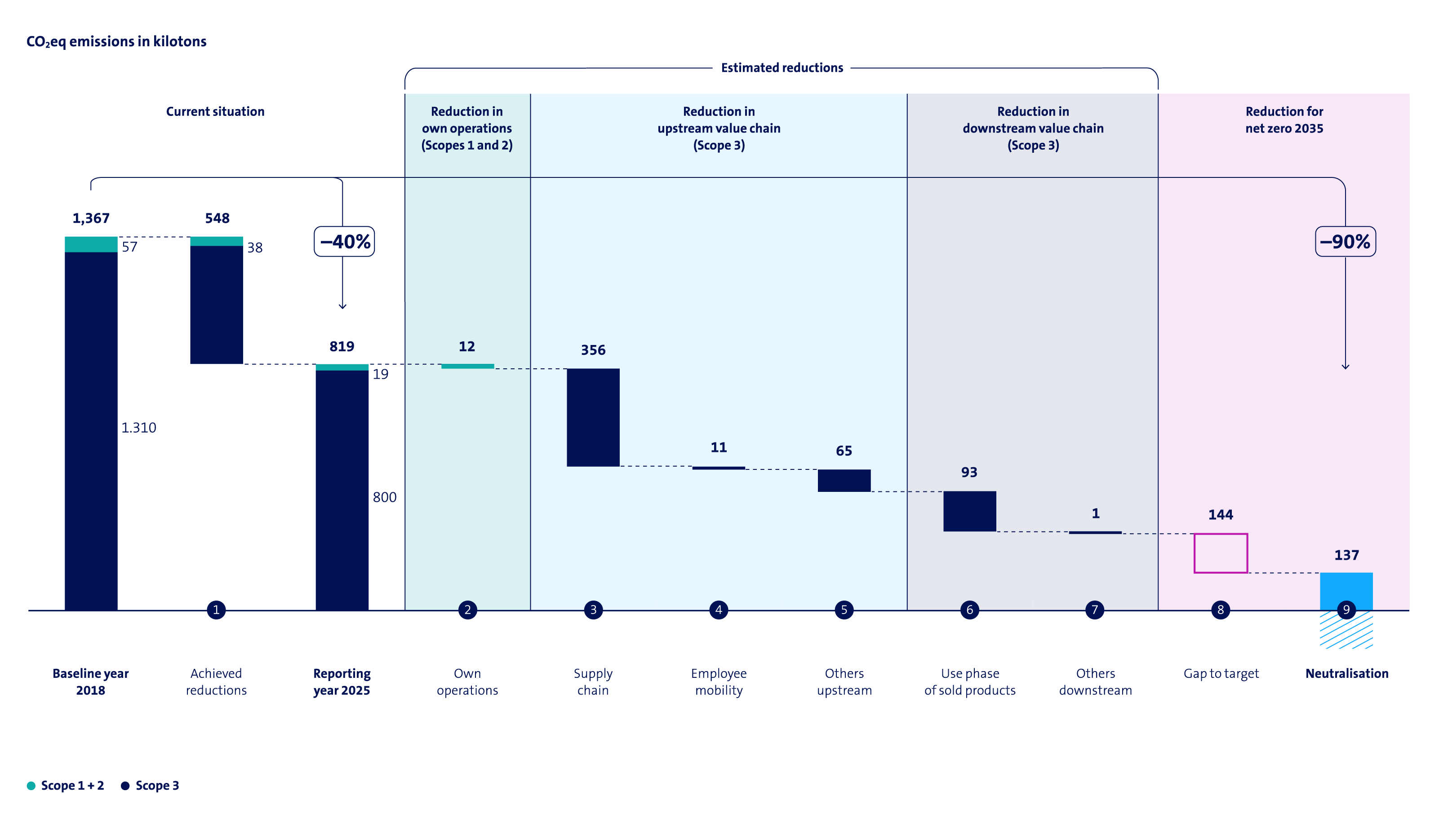
Figures in 1,000 tonnes of CO2. For further information, see the Sustainability Statements 2025
We see climate change mitigation as a decisive factor for future business success and resilience and provide stakeholders with information on our transition to low-carbon operations. Following the acquisition of Vodafone Italia, we recalculated our GHG emissions for the period 2018–2025 and reconfirmed our net zero 2035 target as a Group. Our net zero 2035 target is aligned with the 1.5°C pathway set out in the Paris Agreement and exceeds the ICT sector trajectories defined in the Science Based Targets initiative (SBTi) guidance for ICT companies. For the development of our net zero transition plan in 2025, we calculated different science-based scenarios to better understand uncertainties in technology adoption and market developments.
The transition plan outlines scheduled reduction measures along with potential opportunities, while considering country-specific decarbonisation levers, external factors and industry trends. Looking forward, data centre energy consumption is expected to increase substantially by 2035, driven by global adoption of emerging technologies such as artificial intelligence (AI) and the Internet of Things (IoT). Concurrently, electricity grids in the operating countries (Switzerland and Italy) as well as the sourcing countries are expected to undergo significant decarbonisation in the coming years. These external influences have been factored into the assumptions underpinning forecast emissions reductions.
Composition of our emissions
Scope 1
2.6%
Most of the direct greenhouse gas emissions generated by our operations are from the combustion of fossil fuels for vehicles and heating. Between 1990 and 2025, we have already reduced the scope 1 and 2 emissions in Switzerland by more than 91 percent and aim to achieve net-zero by 2035.
Scope 2
0%
We have already reduced all indirect greenhouse gas emissions from purchased energy to zero. We have been using certified CO2-free electricity from renewable sources since 2010 in Switzerland and since 2015 in Italy.
Scope 3
97.4%
Most of our indirect greenhouse gas emissions from the upstream and downstream value chain are from purchased goods. By 2035, with the support of our suppliers and partners, we want to achieve a 90% reduction in CO2 emissions compared to 2018.
Scope 1
3.9%
Most of the direct greenhouse gas emissions generated by our operations are from the combustion of fossil fuels for vehicles and heating. Between 1990 and 2025, we have already reduced these CO2 emissions in Switzerland by more than 90 percent and aim to achieve net-zero by 2035.
Scope 2
0%
We have already reduced all indirect greenhouse gas emissions from purchased energy to zero. We have been using certified CO2-free electricity from renewable sources since 2010 in Switzerland and since 2015 in Italy.
Scope 3
96.1%
Most of our indirect greenhouse gas emissions from the upstream and downstream value chain are from purchased goods. By 2035, with the support of our suppliers and partners, we want to achieve a 90% reduction in CO2 emissions compared to 2018.
Our greenhouse gas inventory is audited in accordance with the Greenhouse Gas Protocol and ISO 14064 standard. We also adhere to the targets of the Corporate Net-Zero Standard of the Science-Based Targets initiative (SBTi).
Scope 1
2.3%
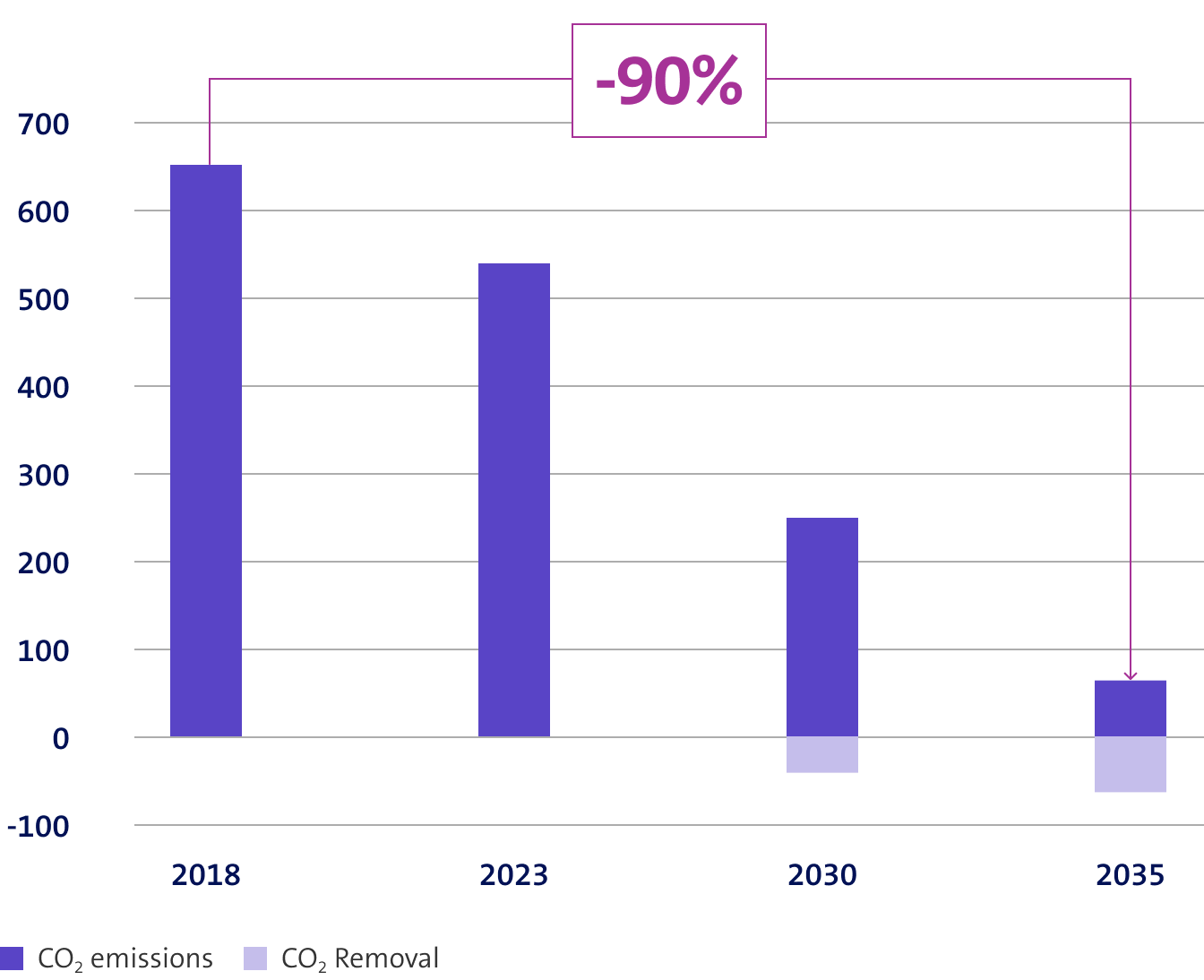
Most of the direct greenhouse gas emissions generated by our operations are from the combustion of fossil fuels for vehicles and heating. Between 1990 and 2025, we have already reduced these scope 1 and 2 emissions in Switzerland by more than 91 percent and aim to achieve net-zero by 2035.
Scope 2
0%
We have already reduced all indirect greenhouse gas emissions from purchased energy to zero. We have been using certified CO2-free electricity from renewable sources since 2010 in Switzerland and since 2015 in Italy.
Scope 3
97.7%
Most of our indirect greenhouse gas emissions from the upstream and downstream value chain are from purchased goods. By 2035, with the support of our suppliers and partners, we want to achieve a 90% reduction in CO2 emissions compared to 2018.
Scope 1
2.7%
Most of the direct greenhouse gas emissions generated by our operations are from the combustion of fossil fuels for vehicles and heating. Between 1990 and 2025, we have already reduced these CO2 emissions in Switzerland by more than 90 percent and aim to achieve net-zero by 2035.
Scope 2
0%
We have already reduced all indirect greenhouse gas emissions from purchased energy to zero. We have been using certified CO2-free electricity from renewable sources since 2010 in Switzerland and since 2015 in Italy.
Scope 3
97.3%
Most of our indirect greenhouse gas emissions from the upstream and downstream value chain are from purchased goods. By 2035, with the support of our suppliers and partners, we want to achieve a 90% reduction in CO2 emissions compared to 2018.
Our greenhouse gas inventory is audited in accordance with the Greenhouse Gas Protocol and ISO 14064 standard. We also adhere to the targets of the Corporate Net-Zero Standard of the Science-Based Targets initiative (SBTi).
Scope 1
2.1%
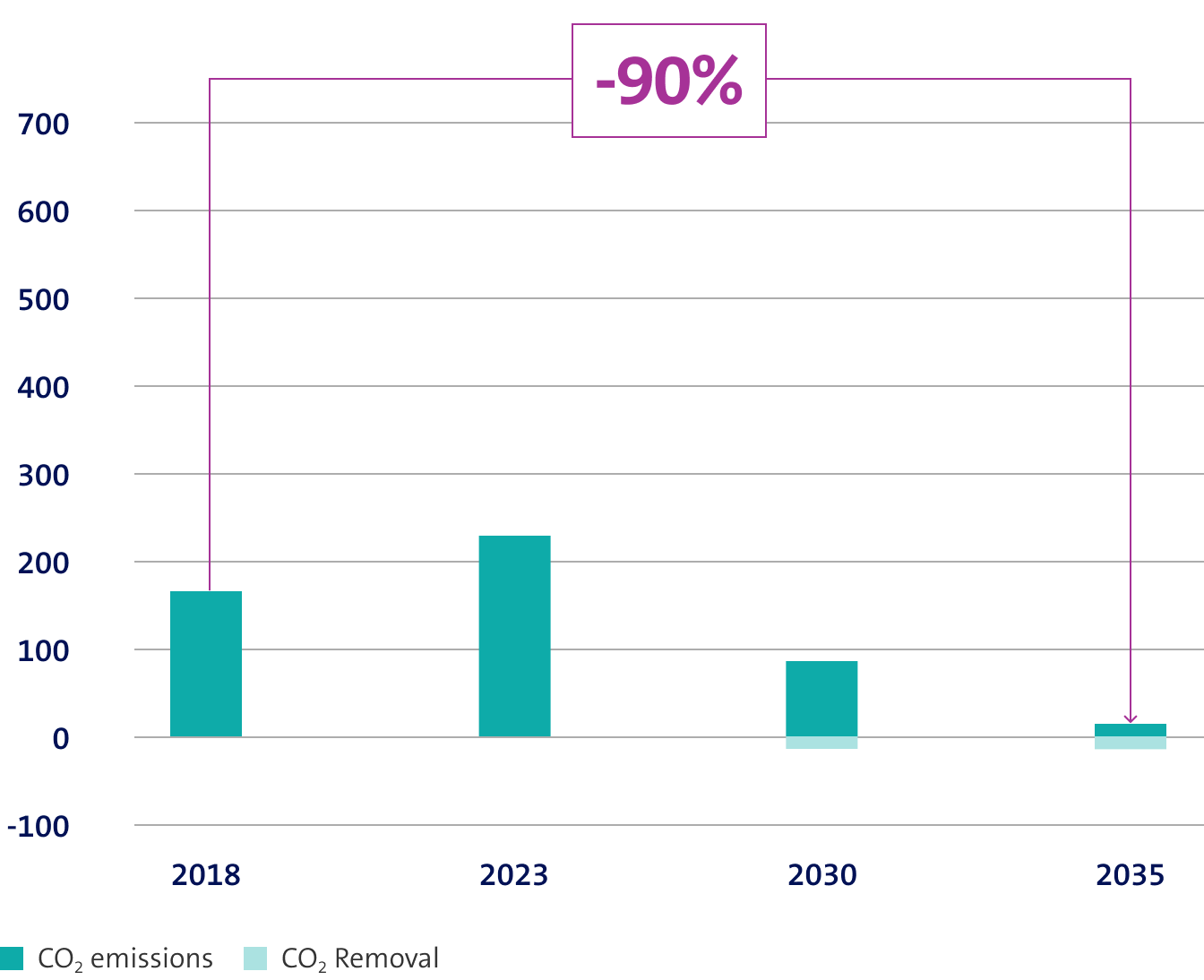
Most of the direct greenhouse gas emissions generated by our operations are from the combustion of fossil fuels for vehicles and heating. Between 1990 and 2025, we have already reduced these scope 1 and 2 emissions in Switzerland by more than 91 percent and aim to achieve net-zero by 2035.
Scope 2
0%
We have already reduced all indirect greenhouse gas emissions from purchased energy to zero. We have been using certified CO2-free electricity from renewable sources since 2010 in Switzerland and since 2015 in Italy.
Scope 3
97.9%
Most of our indirect greenhouse gas emissions from the upstream and downstream value chain are from purchased goods. By 2035, with the support of our suppliers and partners, we want to achieve a 90% reduction in CO2 emissions compared to 2018.
Scope 1
0.8%
Most of the direct greenhouse gas emissions generated by our operations are from the combustion of fossil fuels for vehicles and heating. Between 1990 and 2025, we have already reduced these CO2 emissions in Switzerland by more than 90 percent and aim to achieve net-zero by 2035.
Scope 2
0%
We have already reduced all indirect greenhouse gas emissions from purchased energy to zero. We have been using certified CO2-free electricity from renewable sources since 2010 in Switzerland and since 2015 in Italy.
Scope 3
99.2%
Most of our indirect greenhouse gas emissions from the upstream and downstream value chain are from purchased goods. By 2035, with the support of our suppliers and partners, we want to achieve a 90% reduction in CO2 emissions compared to 2018.
Our greenhouse gas inventory is audited in accordance with the Greenhouse Gas Protocol and ISO 14064 standard. We also adhere to the targets of the Corporate Net-Zero Standard of the Science-Based Targets initiative (SBTi).
Reduction of direct emissions
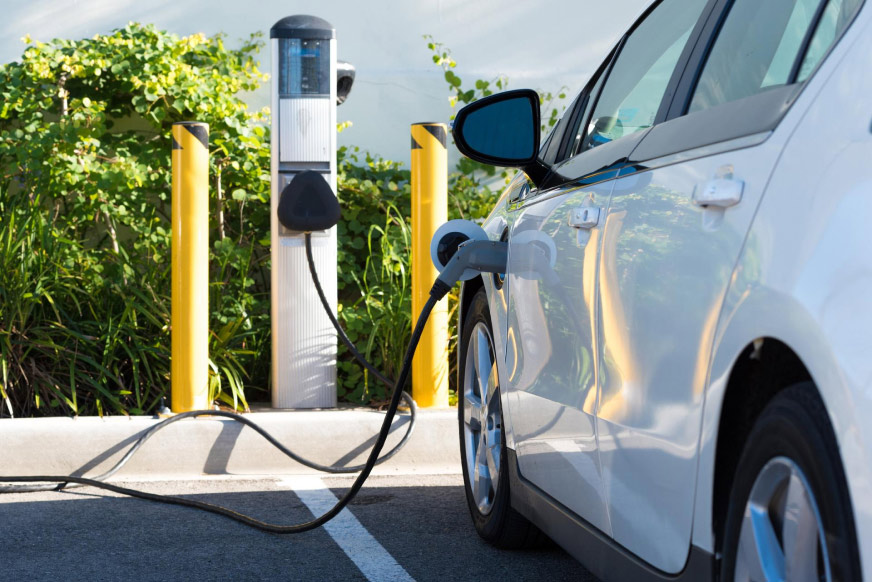
Sustainable mobility
With one of the largest vehicle fleets in Switzerland, comprising 2,500 vehicles, mobility is one of the biggest contributors to our operational CO2 emissions. At the beginning of 2025, we took another step forward by purchasing 1,200 electric vehicles in Switzerland, thereby halving these emissions, and we will eliminate them completely by 2030.
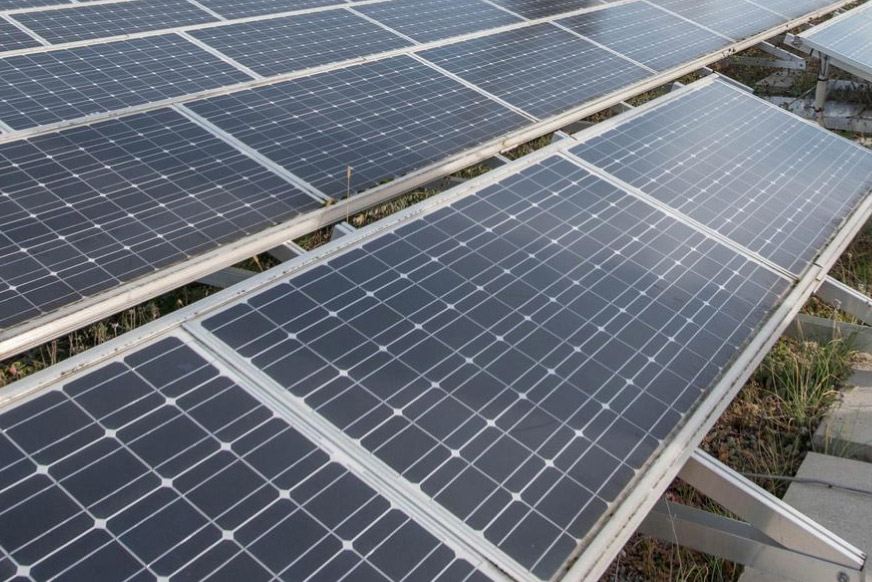
Renewable energies
With over 90%, electricity accounts for the largest share of our energy consumption. We have been using certified renewable sources in Switzerland since 2010 and in Italy since 2015. Through the introduction of more than 100 new photovoltaic systems, we aim to more than double the amount of solar power we generate from just under 4 GWh today to 10 GWh.
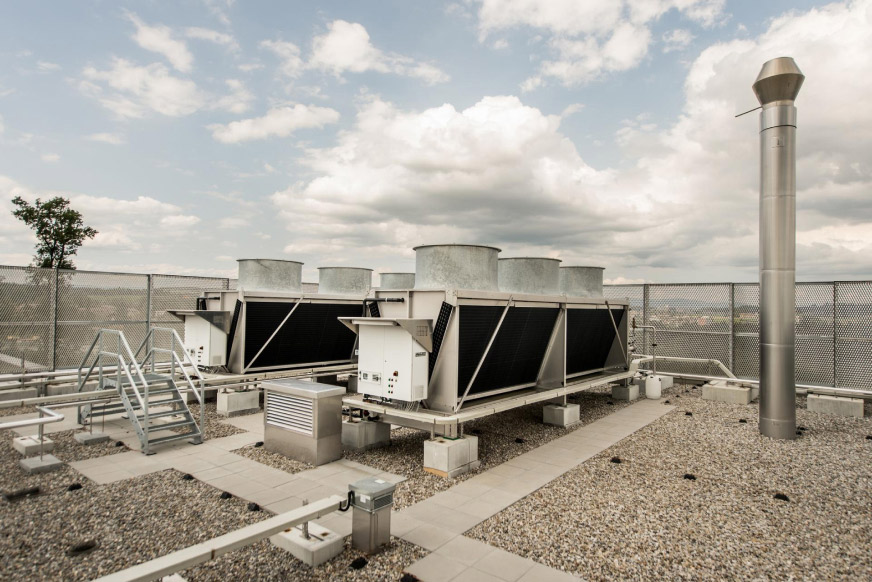
Efficient infrastructure
Up to 2034, we aim to improve energy efficiency by 3% every year. We will achieve this by continually modernising our network and data centre infrastructures.
Reduction of direct emissions in Switzerland since 1990
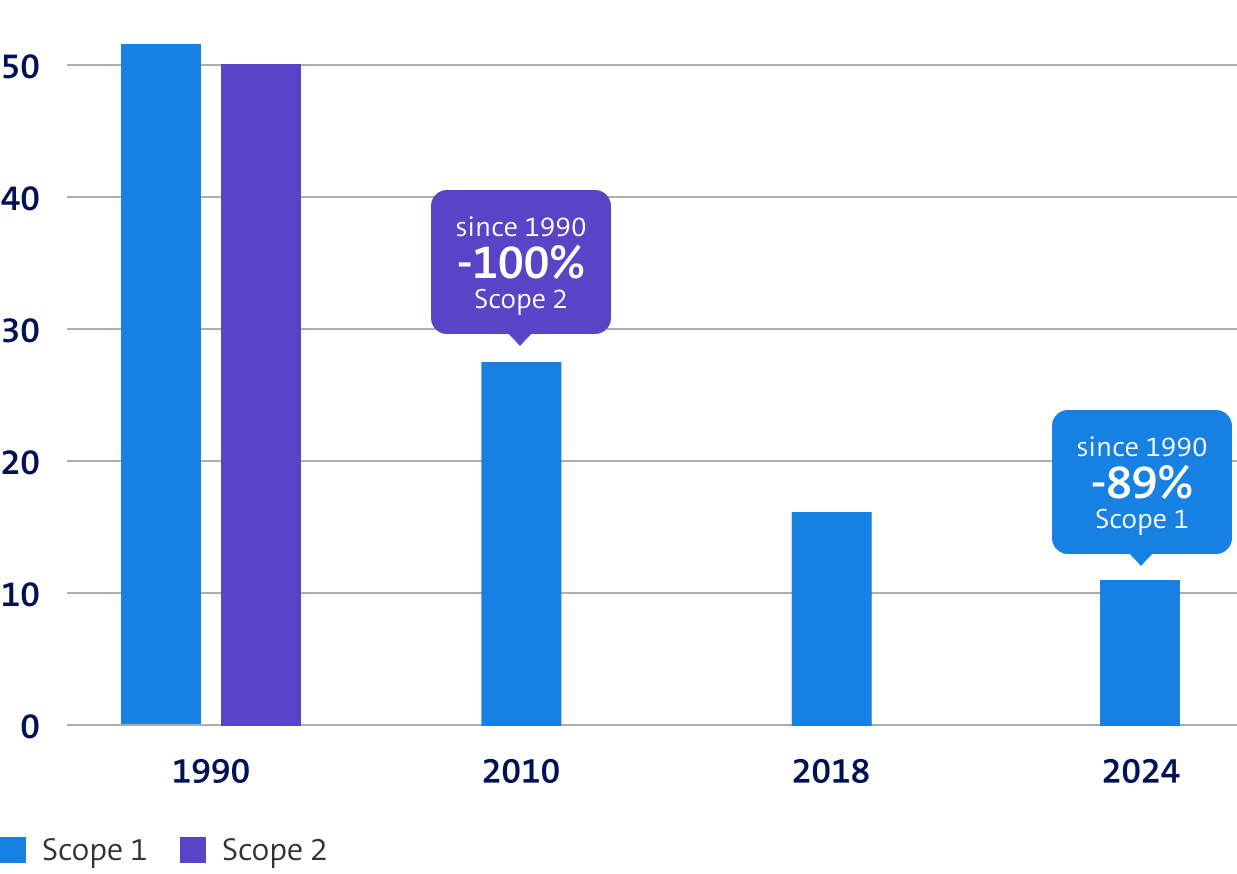
We have already reduced Scope 1 greenhouse gas emissions from operations in Switzerland by over 91 per cent since 1990. We have completely reduced Scope 2 greenhouse gas emissions from purchased energy since 2010.
Figures in 1,000 tonnes of CO2. For further information, see the Sustainability Statements 2025.
Our greenhouse gas inventory is audited in accordance with the Greenhouse Gas Protocol and ISO 14064 standard. We also adhere to the targets of the Corporate Net-Zero Standard of the Science-Based Targets initiative (SBTi).
Protecting the climate: Beyond Value Chain Mitigation
Despite our target of achieving net-zero by 2035, we are also taking responsibility for our unavoidable emissions. By promoting climate projects outside our value chain, such as CO2 removal technologies, and accelerating the global net-zero transformation through targeted financing, we are making a positive contribution to global climate goals.
Reduction of indirect emissions
Sustainable supply chain
The supply chain is our largest and most complex source of greenhouse gas emissions. By working with our suppliers, we want to reduce emissions by 60% by 2030 and by 90% by 2035.

Climate-friendly working
To avoid unnecessary business trips and commutes, we offer flexible working models and innovative solutions such as Work Smart or working from home. We also promote the use of public transport and have a strict business flight policy.

Sustainable products
We are reducing resource consumption with each new generation of our products, such as Internet routers, wireless repeaters and TV boxes, by using recycled materials and optimising energy consumption in production and operation.

Circular economy
Reuse. Repair. Recycle.
Avoid CO2 with ICT
Our innovative ICT solutions help customers to avoid unnecessary greenhouse gas emissions. We have been measuring these since 2012 and are saving more CO2 every year.
By 2030, we will save 4 million tons of CO2 every year
Our original goal of avoiding 1 million tons of CO2 a year by 2025 in Switzerland had already been achieved four times by 2024. By 2030, we as a group want to save four times that amount, which is around 10% of all CO2 emissions in Switzerland or 1% of all CO2 emissions in Italy.
As of 2025 Avoided Emissions Methodology
Emissions avoidance

Work Smart
We are helping to avoid unnecessary travel by supporting working from home and online collaboration. The COVID pandemic in particular revealed the emissions-reducing potential of these solutions.
IoT solutions
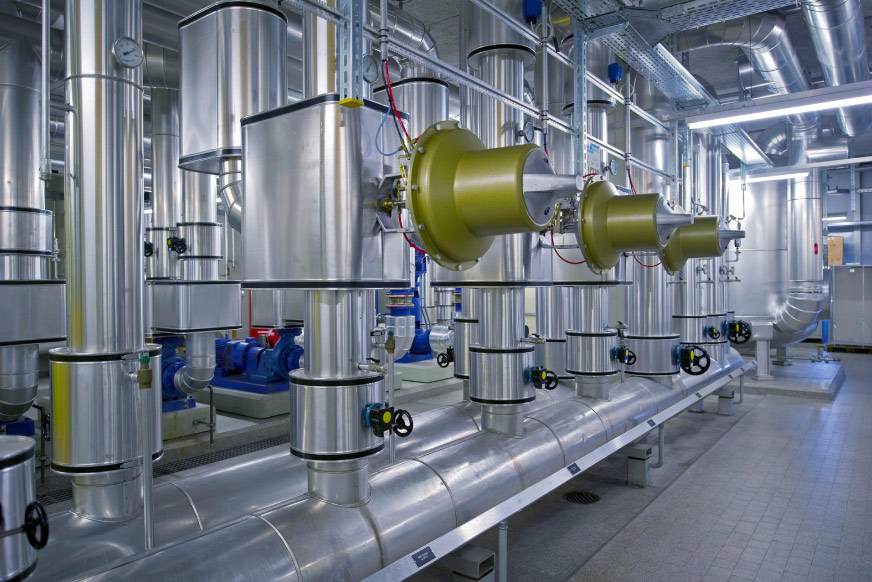
By facilitating the IoT-based remote monitoring and control of equipment such as heaters, tanks and containers, we are optimising the energy efficiency of buildings and avoiding unnecessary travel to reduce CO2 emissions.
Cloud / data centres
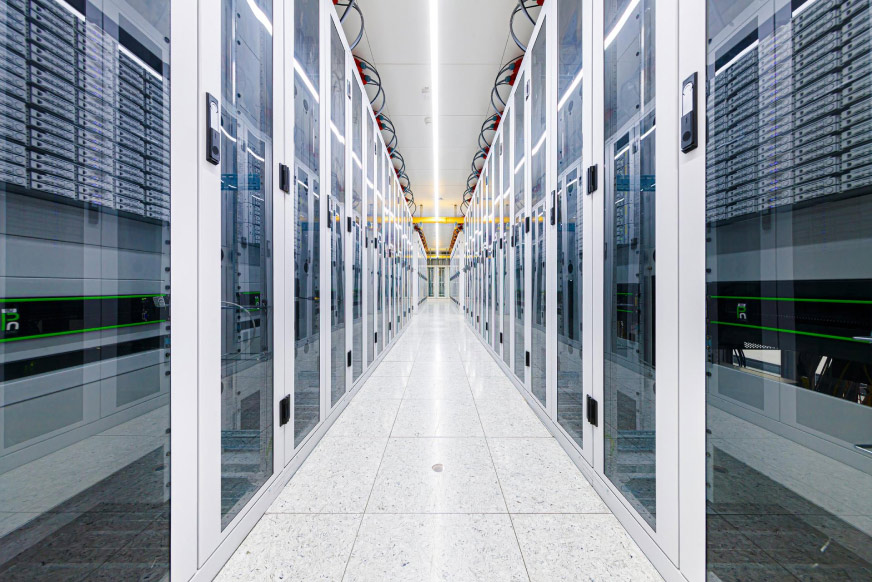
By moving processing power and data storage to our highly efficient data centres, we are contributing to climate protection through energy savings while also reducing costs and improving security.
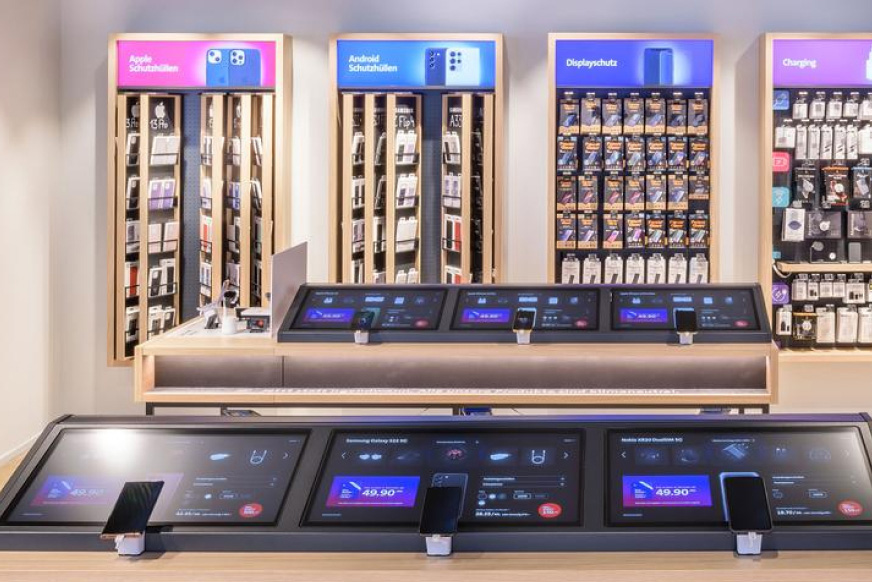
Saving paper
From paper billing to contract signing: paperless digital solutions allow us to reduce emissions while improving usability and service quality.
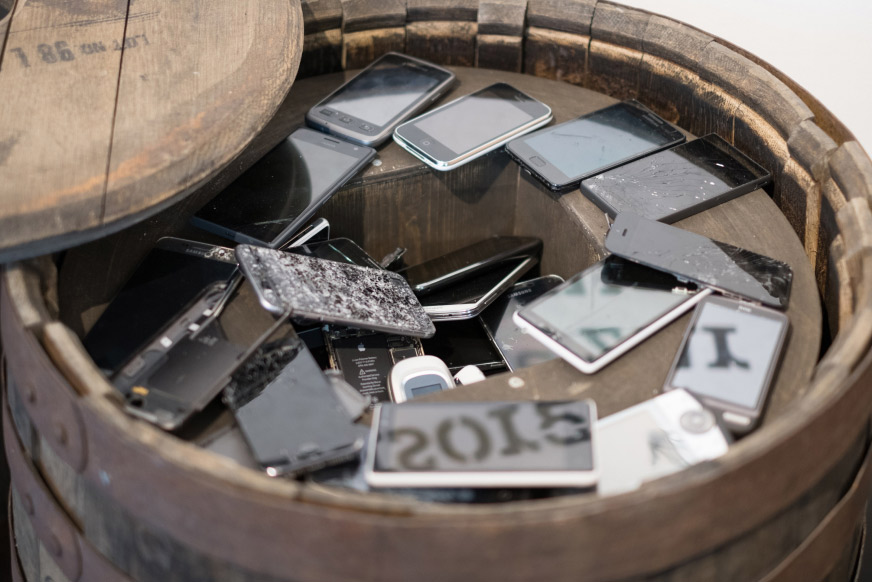
Circular economy
By supporting the circular economy, we are helping to give used smartphones and laptops a new lease of life. Extending service life helps to conserve resources and save energy.

Data-driven sustainability
We help companies select and implement software solutions to track and report their climate and ESG strategy progress. Every year, we publish a Software Radar, featuring hundreds of tools.
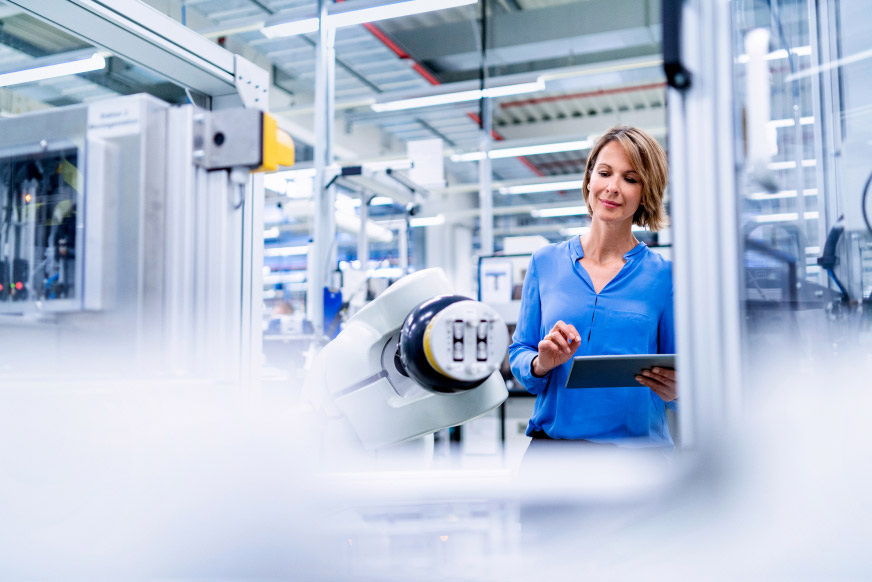
Ventures
Our venture capital arm invests between CHF 50 and 100 million every year in eight to ten companies that use digital innovations to open up new business segments and optimise the sustainability of existing solutions, among other things.
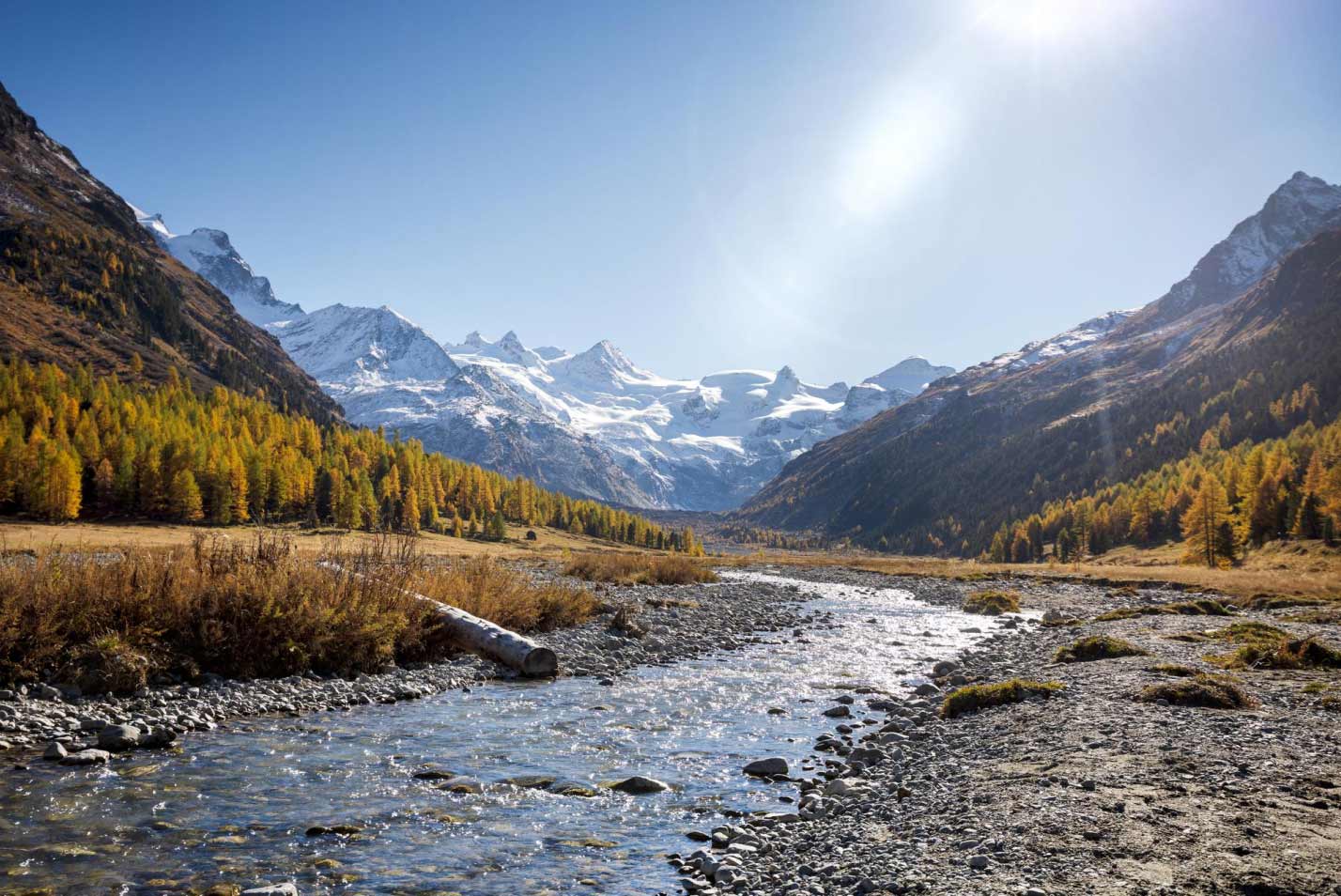
Biodiversity
In addition to mitigating climate change, preserving biodiversity is one of the greatest challenges of our time. As a responsible and influential business, we are actively committed to protecting and supporting local natural areas through landscape conservation and sustainable land management.
Background
Discover more background stories about sustainability on blue News.
Go to the Sustainability section of blue News(opens in new tab)