This is how we make a climate contribution with every subscription.
The facts
CO2-Reduction
Our commtiment for the planet
CO2 reduction is at the forefront of our sustainability strategy. Since 1990, we have been systematically reducing our emissions and we aim to achieve net zero across all scopes by 2035.
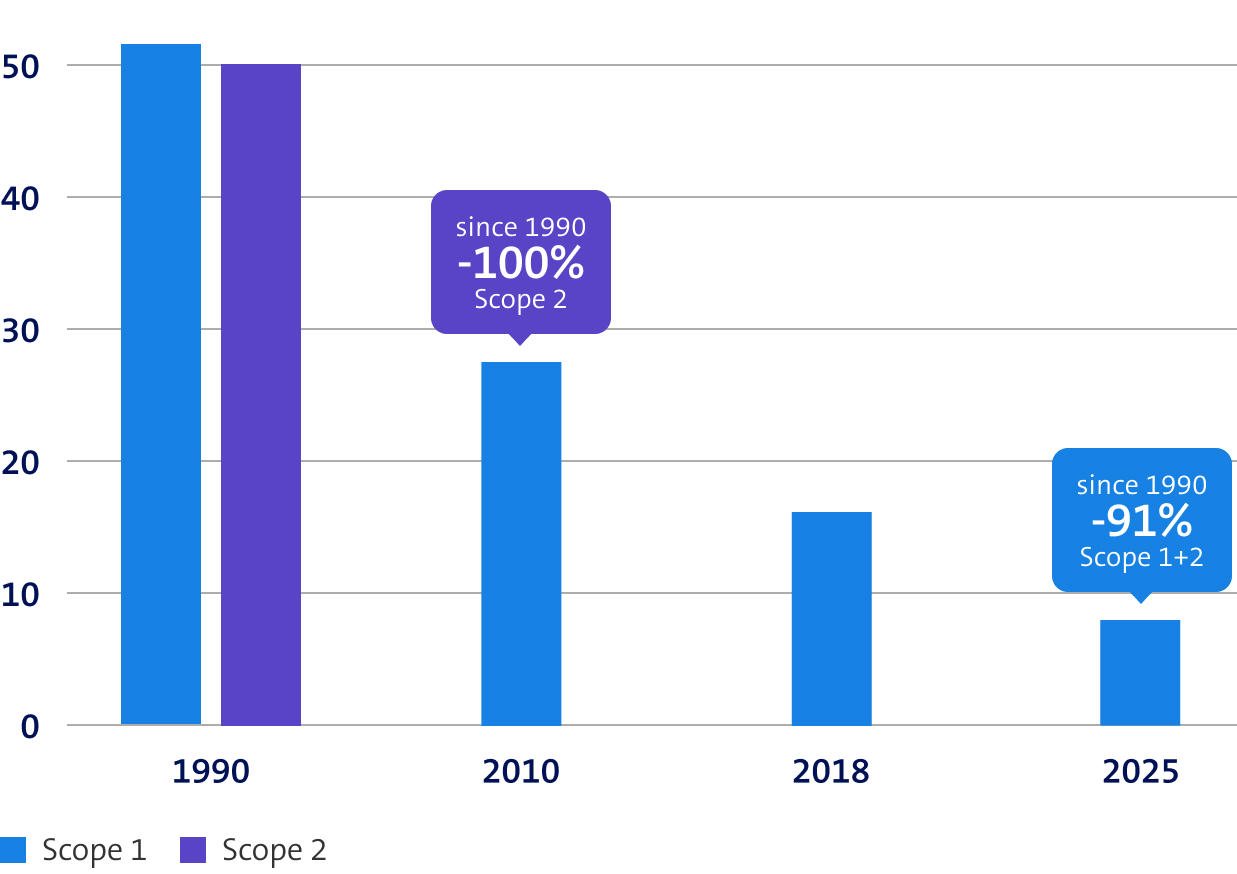
Figures in 1,000 tonnes of CO₂. Further information can be found in the Sustainability Statements 2025.
We have already reduced Scope 1 and 2 greenhouse gas emissions from our operations in Switzerland by over 91 per cent since 1990. We have completely eliminated Scope 2 greenhouse gas emissions from purchased energy since 2010.
Decarbonization measures

Fleet, Buildings and Biodiversity
With 2,500 vehicles, our mobility accounts for a large proportion of CO2 emissions. We will halve these emissions by the beginning of 2025 with 1,200 electric vehicles and aim to eliminate them entirely by 2030. We are also reducing the use of fossil fuels in buildings and promoting biodiversity projects to protect nature.

Efficient network with 100 % renewable electricity
Swisscom's electricity mix is 100 % renewable. The non-renewable share is offset with renewable energy certificates, primarily from wind power.
Swisscom is continuously expanding its photovoltaic generation capacity, targeting 10 GWh/a by 2030.
Swisscom aims to increase energy efficiency by 3 % per year until 2034 through ongoing modernisation of its network and data centre infrastructure.

Save resources with our products and circular economy programmes
Our devices such as routers, repeaters and TV boxes consume fewer resources thanks to recycled materials and energy optimisation. We also offer programmes such as Mobile Aid, Buyback, Take Back and Repair for the sustainable use of digital technologies.

Collaboration with our suppliers in the supply chain
The supply chain is not only our largest but also our most complex source of greenhouse gas emissions. By engaging our suppliers, we aim to reduce emissions by 60% by 2030 and 90% by 2035
Our main goal is reach Net-Zero by 2035. In addition, through our additional climate contribution we take responsibility for our ongoing CO2 emissions that we still cause by 2035.
We are investing CHF 120 for every tonne of CO2 we directly emit (Scope 1+2) over the next ten years, based on the CO2 levy in Switzerland, and will continue to increase this amount.
We invest in impactful companies in the carbon dioxide removal (CDR) market, purchase carbon removal certificates and contribute to research & development and nature conservation projects. In this way, we are contributing to the global net-zero transition, limiting temperature overshoots and reducing transition risks.
Simply put: we are continuously reducing our emissions. We take responsibility for ongoing emissions that have not yet been reduced by promoting CO2 removal and nature conservation projects.
CO2 removal and storage and Switzerland's role
In its sixth assessment report published in April 2022, the Intergovernmental Panel on Climate Change (IPCC) emphasises that negative emission technologies (NET) are ‘essential’ for limiting global warming to 1.5°C and thus minimising climate risks to humans and the environment. NET solutions are widely known, but they are not yet available on the carbon dioxide removal (CDR) market to the extent required. We have therefore set ourselves the goal of supporting the scale-up of this market in order to make the necessary technologies available in sufficient quantities not only to us, but to all companies.
According to federal government figures, Switzerland will need to remove 12 million tonnes of CO2 by 2050, which is unlikely to be achieved in time, using carbon capture and storage (CCS) and negative emission technologies (NET) in order to reach net zero. Various NETs are already known today, but they are not scaled up enough to remove the volumes of CO2 required worldwide. There are therefore both technical and cost-related hurdles that need to be overcome. The longer we wait to make massive reductions in CO2 emissions, the more likely we are to exceed the CO2 budget. This means that more negative emissions will be necessary, and the more likely it is that the 1.5 degree warming limit will be exceeded – with all the negative consequences of further warming.
BAFU: carbon removal and storage:
BAFU: carbon removal and storage
Swisscleantech: carbon removal – the most important points at a glance
Federal Council report: The significance of negative CO2 emissions
Swisscom’s BVCM approach
«We take responsibility for our ongoing direct emissions now, engaging beyond our value chain while supporting the scale up of the CDR market.»
Equity Investments
Venture investments in CDR market players to scale the technologies the world needs to achieve global net-zero targets by 2050.
Carbon Removals
Purchase of high-quality, permanent CDR certificates (in accordance with SBTi guidelines) to stimulate demand in the CDR market and remove CO2.

Impact Projects
Financing R&D projects to support innovation in the CDR market and protecting natural resources by supporting nature conservation projects.
Previous carbon avoidance projects
Solar power in Chile
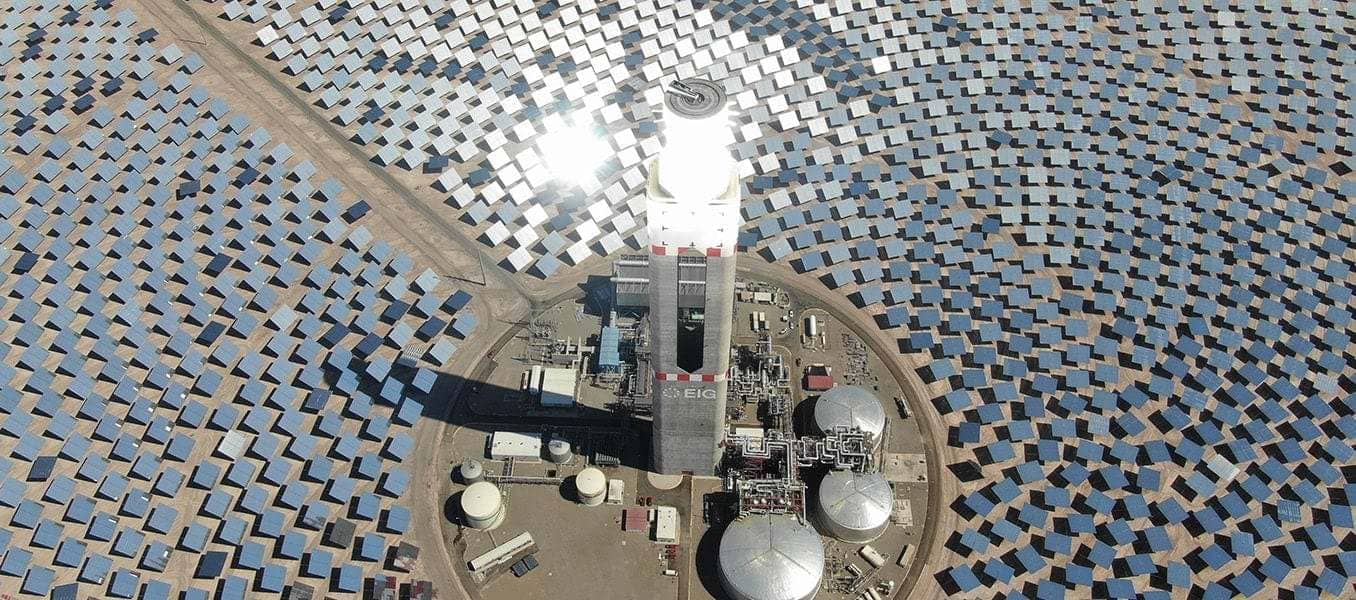
The Cerro Dominador concentrated solar panel (CSP) plant generates electricity from solar power using an advanced system of mirrors and molten salt. This impressive large-scale CSP project is the first to be successfully verified in Latin America and one of only five worldwide.
Approximately 193,000 tCO2e avoided
Supported SDG’s: 7, 8, 13
Biogas in India
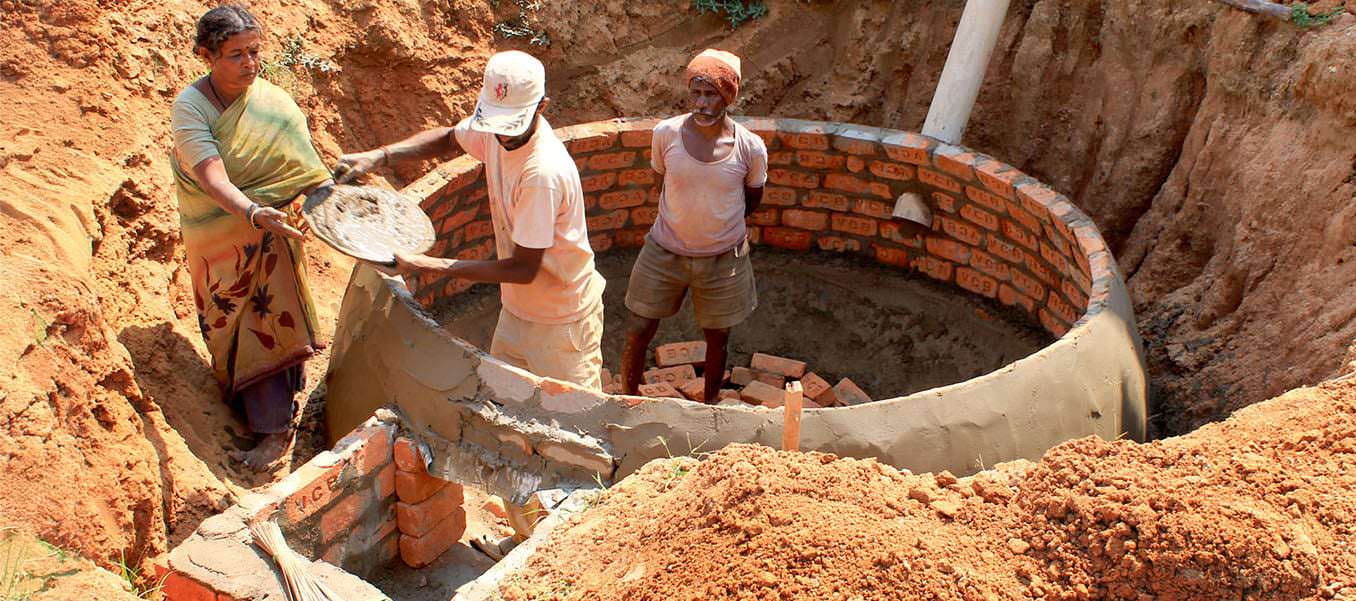
Cookers powered by biogas produced from cow dung are replacing wood and kerosene in rural India, thereby reducing CO2 emissions and preventing deforestation.
Approximately 40,000 tCO2e avoided
Supported SDG’s: 1, 2, 3, 4, 5, 7, 8, 12, 13, 15
Solar power in Kenya
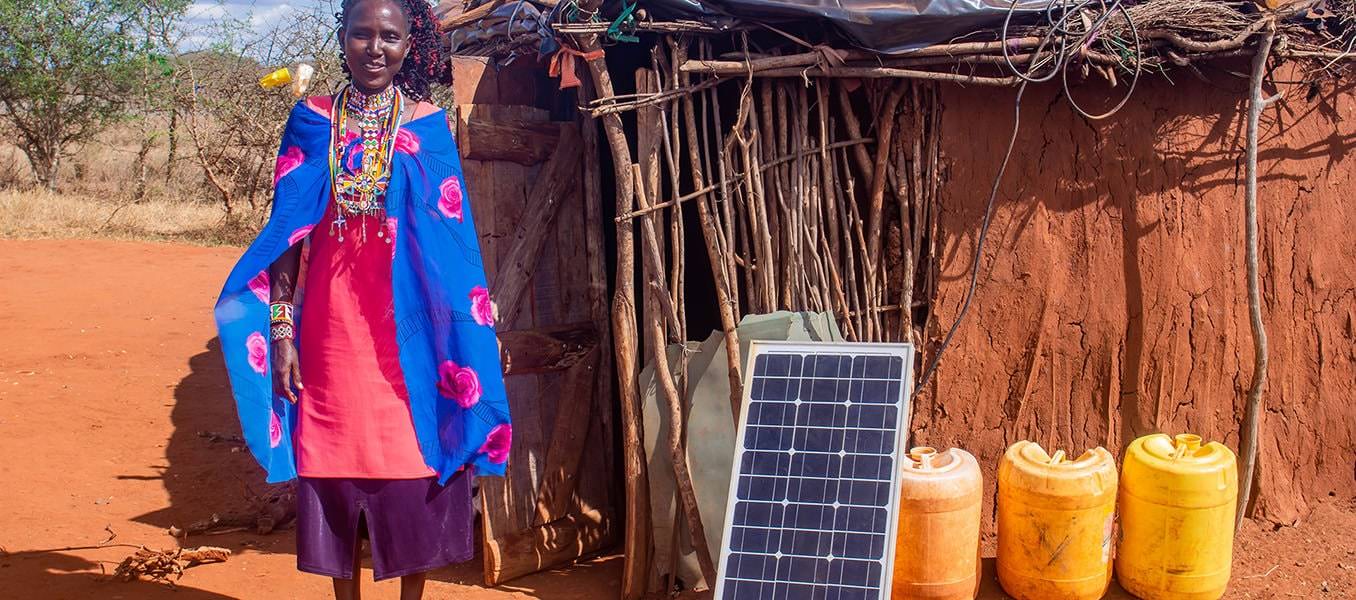
Generating electricity from PV systems replaces fossil fuels and thus avoids CO2 emissions. In addition to reducing emissions, the project improves the living conditions of the local population. Among other things, the decentralised power supply also promotes the improved use of mobile telecommunications devices, which is becoming increasingly important in rural Africa and improving living conditions.
Approximately 29,000 tCO2e avoided
Supported SDG’s: 3, 4, 5, 7, 8, 13
Forest conservation in Indonesia
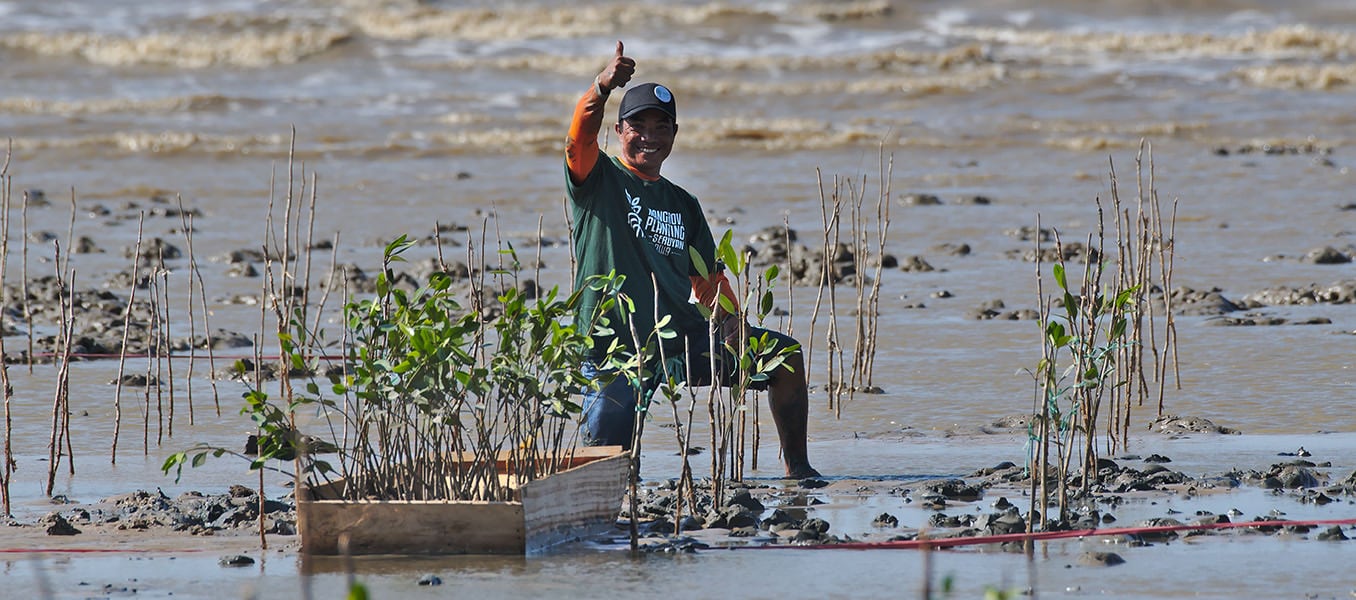
Indonesia has lost almost a quarter of its forest area since 1990, and the rainforests of Borneo, like those in many tropical regions, are under serious threat. The forest area protected by the project covers 64,000 hectares. One focus of the project activities is the protection of endangered animal species.
Approximately 200,000 tCO2e avoided
Supported SDG’s: 1, 3, 5, 10, 11, 13, 15
Wind energy in Argentina
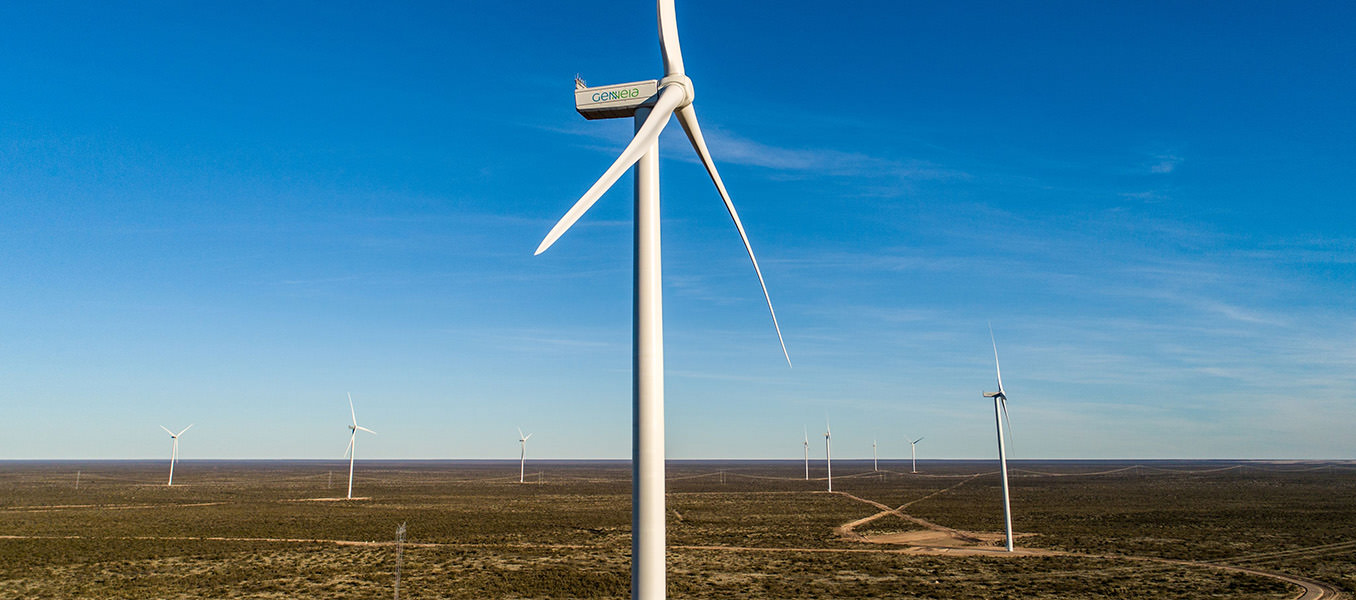
Argentina is home to the best wind resources in the western hemisphere. The project in the Patagonia region has led to the construction of 59 wind turbines with a total capacity of over 200 megawatts. Thanks to the production of green energy, CO2 emissions have been reduced and jobs created.
Approximately 147,000 tCO2e avoided
Supported SDGs: 7, 8, 13
Previous carbon removal projects
Reforestation in Ghana
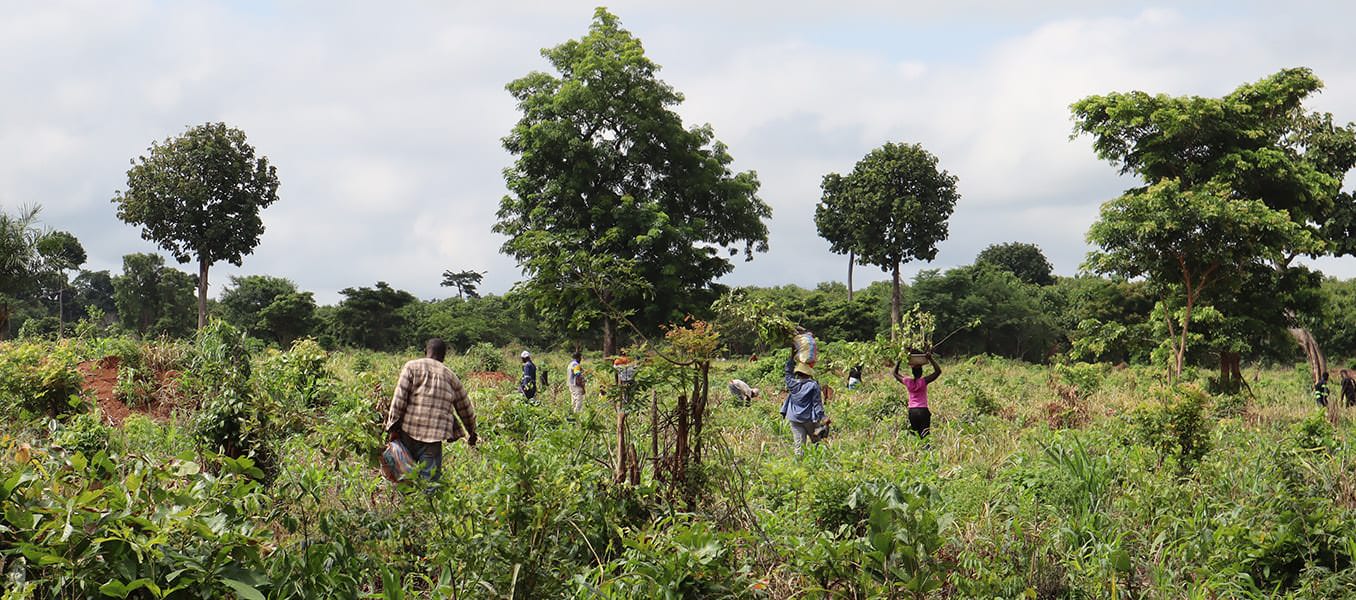
Ghana is under serious threat from deforestation. Sustainable forestry in Ghana is halting erosion and removing and storing CO2. The goal is to reforest 20,000 hectares.
Approximately 58'000 tCO2e removed
Supported SDG’s: 3, 4, 8, 13, 15, 17
Reforestation in Uganda

In collaboration with smallholder farmers, forest areas in rural Uganda are being reforested to store CO2, which improves living conditions and generates additional income. FarmTrace and satellite imagery are used to monitor the reforestation project.
Approximately 127,000 tCO2e removed
Previous biodiversity projects
Klimabeitrag: Hochstamm-Obstbäume

The project involves planting standard trees in Switzerland. These require more care and cost more than dwarf trees, but they store more CO2. In addition, local end products are manufactured and biodiversity in the country is promoted. This also creates opportunities for our employee engagement offerings.
Supported SDG’s: 2, 13, 15
Frequently asked questions and answers
What does net zero mean?
Swisscom bases its approach on scientific findings using the Science Based Targets initiative (SBTi) methodology. To achieve a net zero target that complies with the new SBTi requirements, companies must reduce 90% of their emissions before the remaining 10% can be neutralised through negative emissions. Taking into account the framework conditions, Swisscom as a group has committed itself to net zero and has set itself an ambitious target for 2035 in accordance with SBTi.
What is the difference between the Beyond Value Chain Mitigation approach and our previous climate protection projects?
Until now, we have used a ‘ton-for-ton’ approach, whereby we have ‘offset’ our product-related carbon footprint using carbon avoidance and removal certificates. To support the scaling of the CDR market, we are now pursuing a ‘money-for-tonne’ approach, which sets our budget based on a sterling price for each tonne of CO2 we directly emit (Scope 1+2) over the next ten years. The difference to the previous approach is that we no longer offset our carbon footprint 1:1 with the same number of tonnes of carbon certificates, but instead use a fixed amount of money to support projects and companies that are driving the global net-zero transformation. Our new approach allows us to invest more broadly, as we can now invest not only in CO2 removal certificates but also in companies, research and nature conservation projects. In doing so, we are following our guiding principle: ‘We take responsibility for our ongoing direct emissions now, engaging beyond our value chain while supporting the scale-up of the CDR market.’
What is the CDR market?
The CDR market comprises all players involved in the purchase of carbon removal certificates. This includes companies that develop negative emission technologies (e.g. Climeworks), standards (e.g. Gold Standard), consulting firms (e.g. South Pole), trading marketplaces (e.g. Ceezer), brokers (e.g. ClimeFi), measuring, reporting and verification auditors (e.g. Carbonfuture), buyers (e.g. Microsoft, Swisscom or Switzerland) and others.
What are negative emission technologies (NET)?
Negative emissions are measures that specifically remove carbon dioxide (CO2) from the atmosphere and store it permanently in order to stabilise the climate. They are necessary to achieve global climate targets, in particular to offset residual emissions that are unavoidable despite significant emission reductions. Methods include nature-based solutions such as reforestation and improved soil management, as well as technical approaches such as biochar production and accelerated rock weathering.
Negative emission technologies (NETs) play a crucial role on the path to net zero; they represent the ‘net’ in net zero, so to speak, by neutralising residual emissions that cannot yet be reduced or are very difficult to reduce. The process of capturing CO2 from industrial waste gases and storing it (carbon capture and storage, CCS) can also make an important contribution here.
How do we select projects or companies for BVCM?
- Equity Investments:
Investments generally follow Swisscom Ventures' due diligence process. The selection of a CDR marketplace as the initial focus is based on the following additional sustainability criteria: reputation, digitalisation, availability of third-party verified projects, trustworthiness and experience of the team, availability of a CDR portfolio in accordance with SBTi guidelines, degree of automation of the due diligence process for project evaluation, fair financial valuation, strong industry partners and customers.
- Carbon Removals:
No new certificates were purchased in 2025.
- Impact Projects:
Projects are selected based on criteria such as additionality, Swissness, innovative and pioneering character, trustworthiness, potential for research or piloting, scalability of results, benefits for the CDR market and thematic relevance to Swisscom's business or supply chain.
Further measures for the climate
The impact of digitalisation on climate protection.
The facts
Climate contribution in service operations.
The facts
So leisten Sie einen Klimabeitrag
Schenken Sie Geräten ein zweites Leben: Mit der Weiter- oder Wiederverwendung leisten Sie einen wichtigen Beitrag zur Schonung wertvoller Ressourcen und zum Klimaschutz.

This is how energy-efficient our data centres are.
The facts
Here’s how you can make your own climate contribution
Give appliances a second life – by reusing or recycling them, you can make an important contribution to the conservation of valuable resources and to climate protection.
Buyback
Sell us your old smartphone for refurbishment and receive the proceeds.
Mobile Aid
Donate your old mobile phone. The proceeds from the resale or recycling go to SOS Children’s Villages.
Return
Simply return Swisscom Internet and TV boxes that you no longer need to us free of charge.
Our climate protection milestones
Discover how we continue to build on our commitment to the environment and the climate.